There is a particular kind of paralysis that sets in when the forecast reads 80 degrees. It is not hot enough to justify a full surrender to shorts and slides, but warm enough that reaching for your usual daytime layers is a mistake you will regret by noon. 80°F sits in that specific gap where real dressing decisions get made, and most people default to the easiest, least interesting option available.
That is a shame, because 80 degrees is genuinely one of the best temperatures to get dressed for. Linen behaves at this temperature. Cotton drapes rather than clings. Light layers are still possible in the early morning or evening without becoming a burden by midday. The wardrobe tools that tend to get squeezed out by colder or hotter weather, the midi dress, the wide-leg trouser, the strappy sandal, all come into their own here.
This guide covers seven easy, considered outfits for 80-degree weather, with the kind of specific direction that actually helps you get dressed rather than leaving you staring at your wardrobe with a vague mood board and no actionable plan.
What to Keep in Mind When Dressing for 80 Degree Weather
Before the outfits, a few principles are worth establishing, because the choices you make at 80 degrees tend to either work brilliantly or fail entirely based on one or two key decisions.
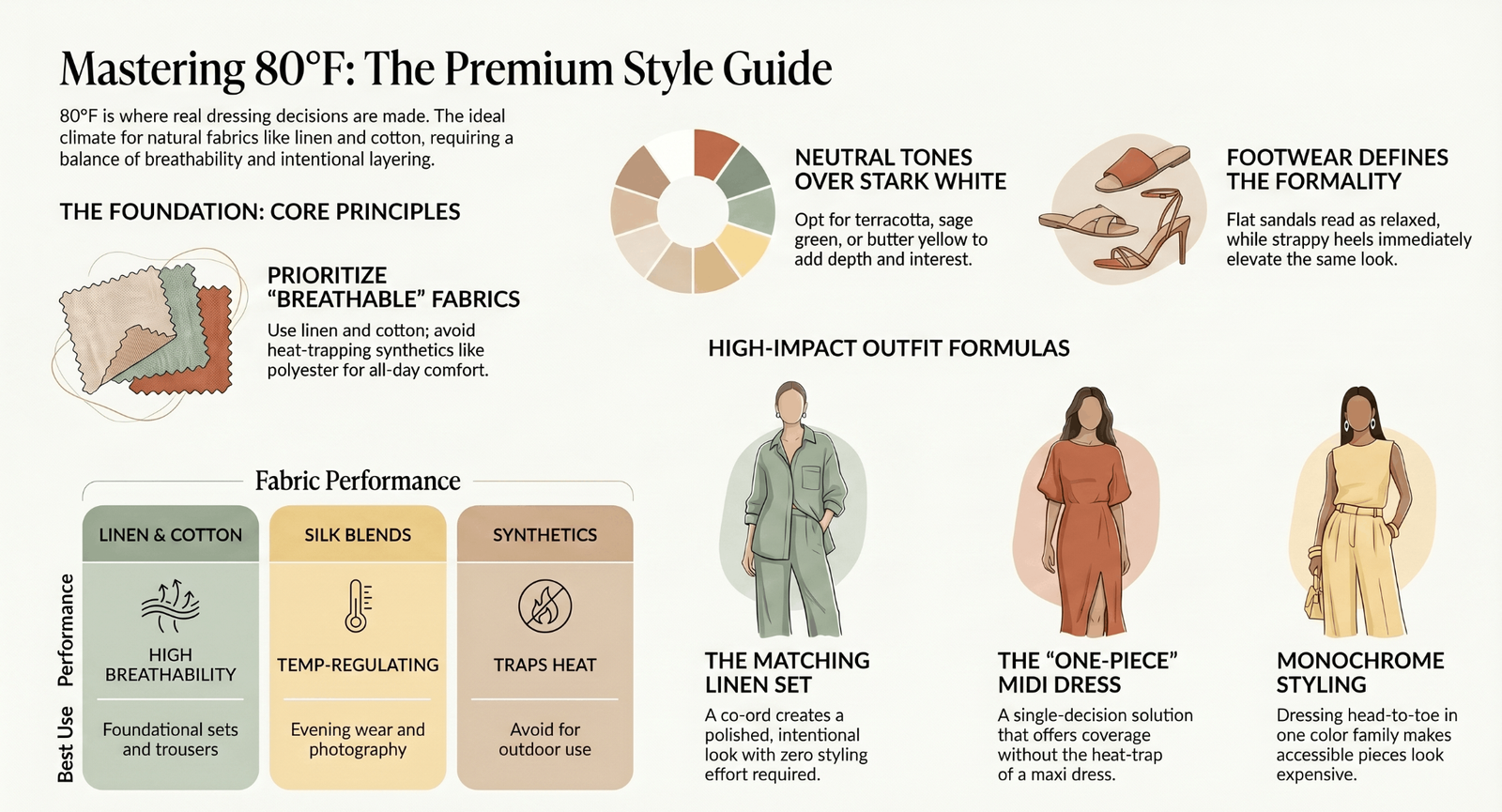
Fabric is everything. Linen and cotton are non-negotiables at this temperature. Both breathe, both soften with wear, and both look better on a warm day than synthetic alternatives that trap heat and lose their shape by midday. Avoid anything with a significant polyester content if you plan to be outside for more than an hour. Silk and silk-blend fabrics are the exception: they are temperature-regulating in a way that most synthetics are not, and they photograph beautifully in warm light.
Color does more work than you think. White and ivory are the reflexive choices for warm weather, and they work, but they are also the least interesting. Terracotta, butter yellow, sage green, warm camel, and soft coral all perform equally well in heat while doing significantly more for your overall look. Dark colors absorb more heat, which is worth noting if you are spending extended time in direct sun, but in a shaded outdoor setting or an air-conditioned interior, navy and forest green are perfectly viable.
Accessories carry the outfit. At 80 degrees, the outfit is often simple by necessity, which means the accessories are doing proportionally more work. A well-chosen bag, a pair of oversized chunky sunglasses, or a single piece of statement jewelry elevates a linen set or a sundress from effortless to intentional. This is not the temperature for maximalist layering, but it is absolutely the temperature for one strong accessory choice.
Footwear sets the register. The same midi dress worn with flat leather sandals reads as a relaxed weekend look. Worn with a strappy heeled sandal, it reads as evening-ready. At 80 degrees, your shoe choice is often the single most powerful lever you have for adjusting the formality of an outfit, which means it deserves more consideration than it typically gets.
7 Easy 80 Degree Weather Outfits in 2026/2027:
1. The Linen Set
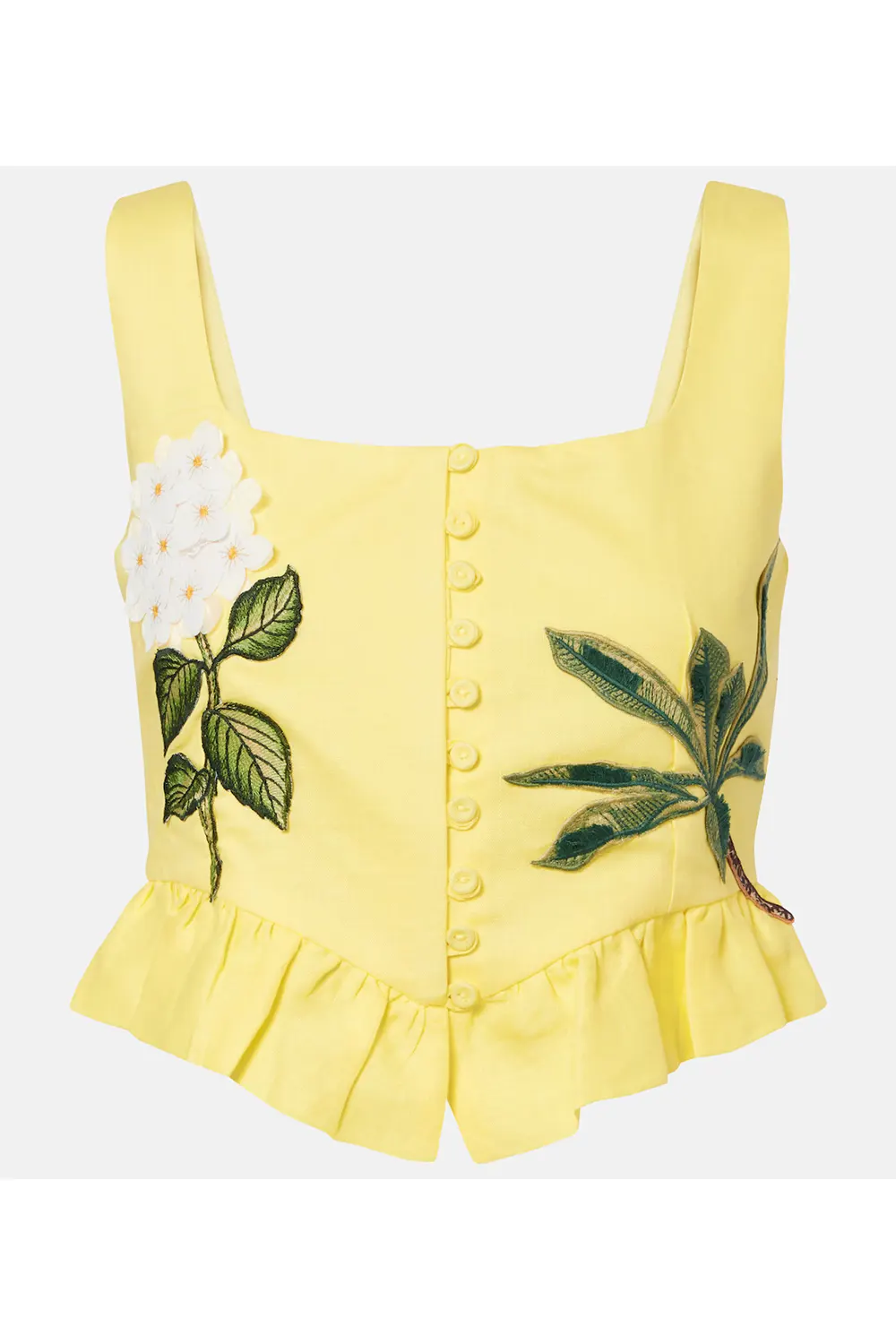

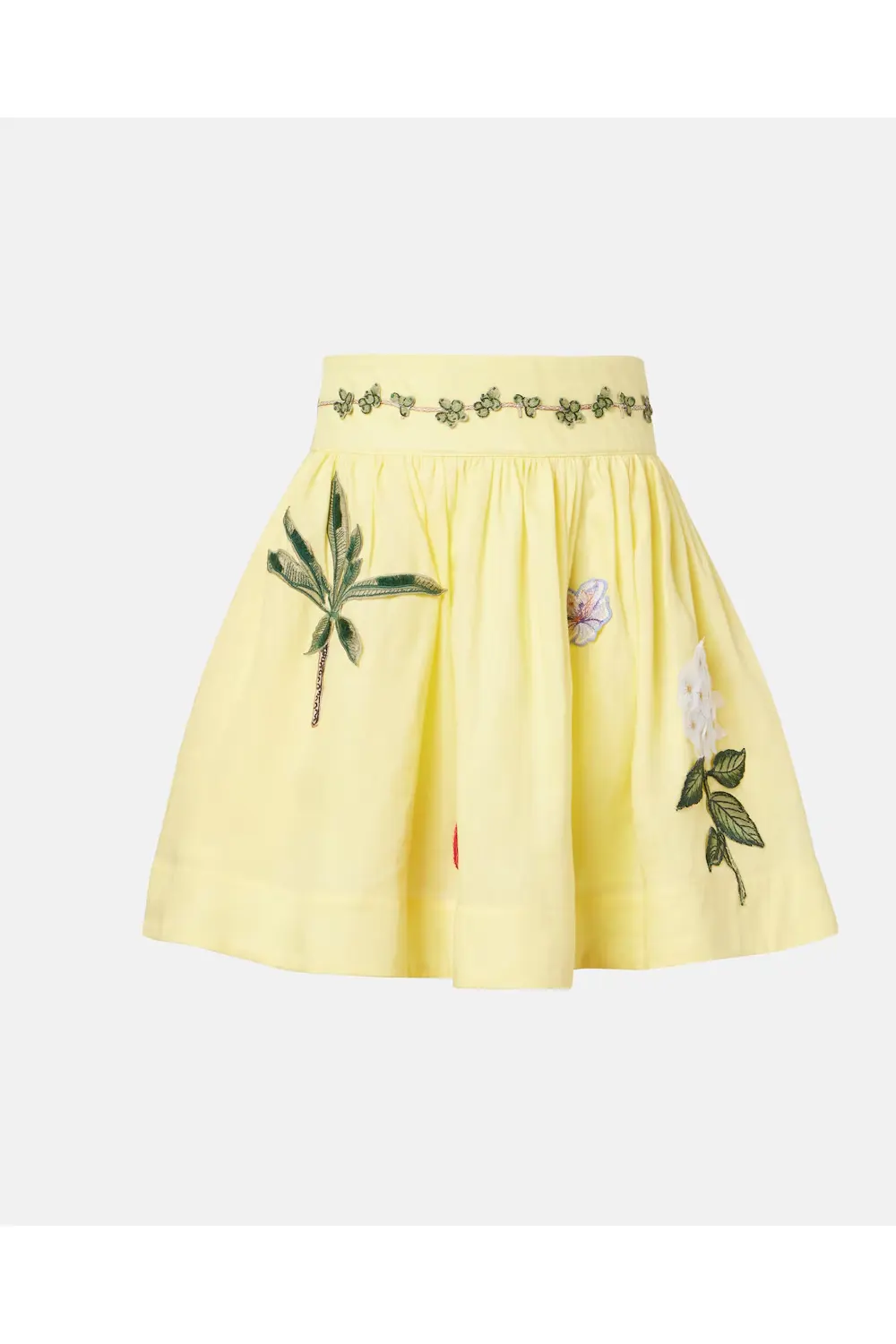
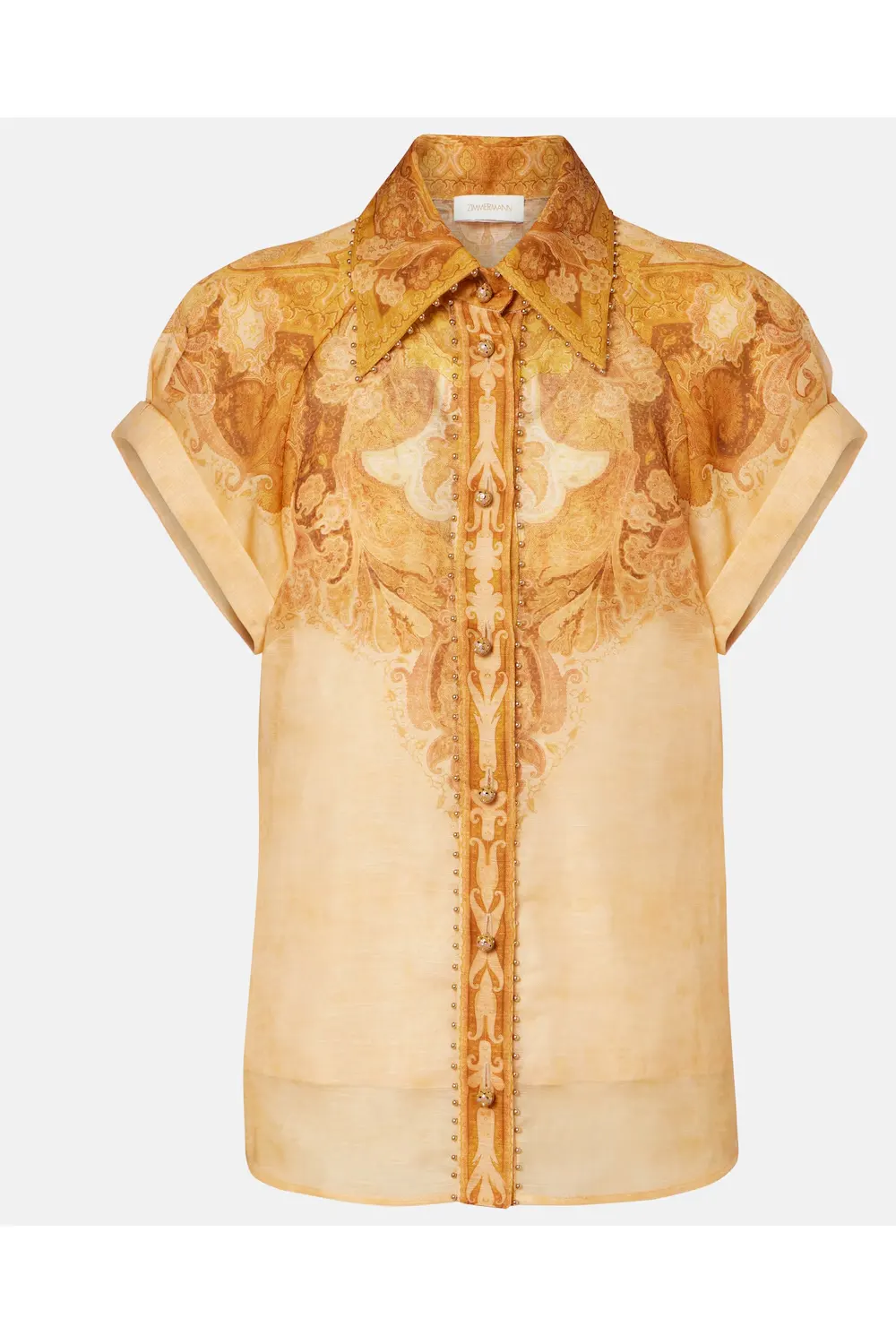
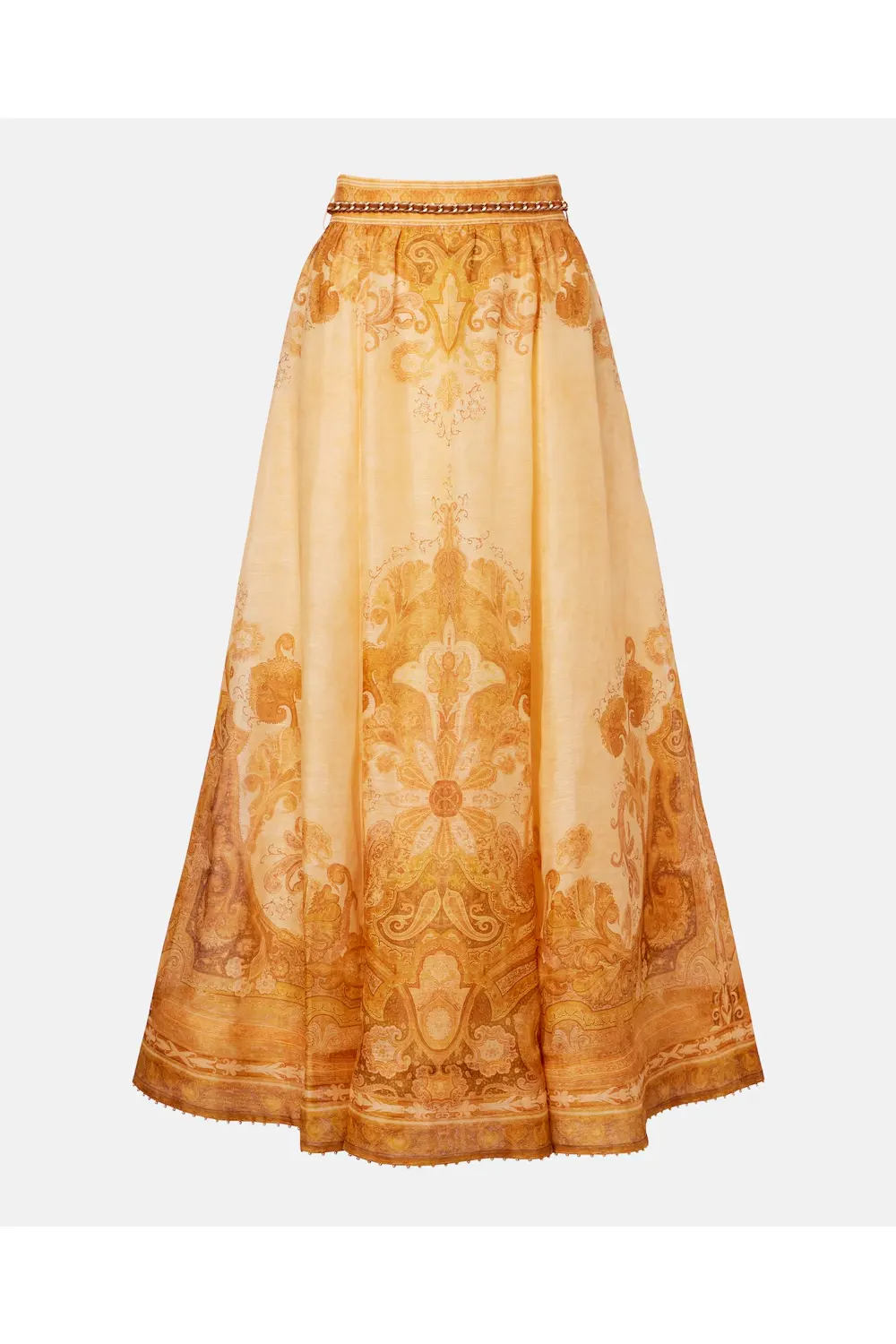
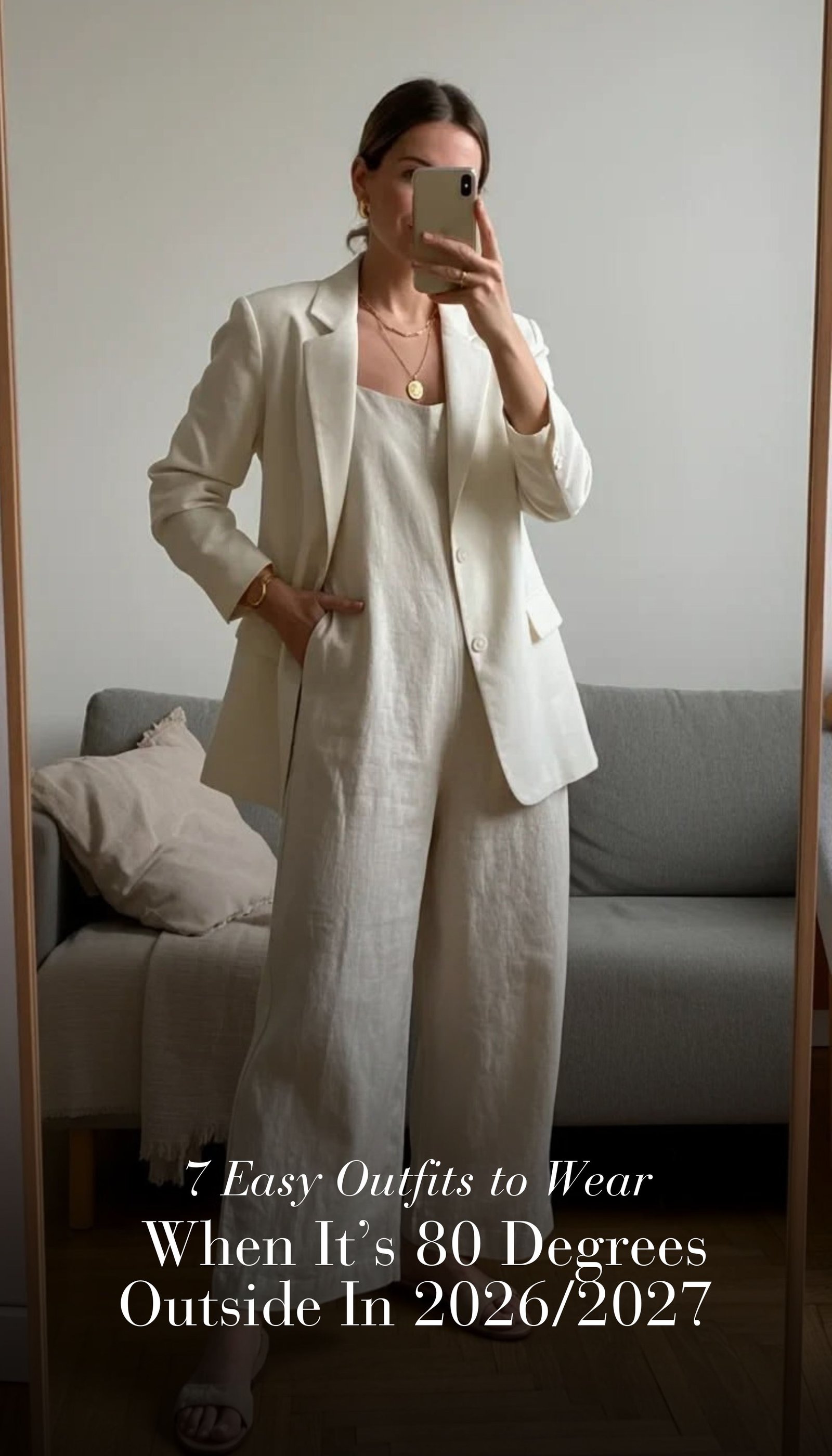
The matching linen co-ord is the foundational answer to 80 degree weather dressing, and it earns that status by being genuinely versatile rather than just aesthetically appealing. Wide-leg linen trousers paired with a relaxed linen button-front shirt or camp collar top in the same fabric creates an outfit that reads as intentional without requiring any real styling effort. The coordination does the work for you.
The key to making a linen set look polished rather than pyjama-adjacent is fit. The trousers should have a clean break at the ankle, not pool on the floor. The top should be relaxed but not oversized to the point of shapelessness. Tuck the front of the shirt loosely, leave the back out, and the proportions immediately read more considered. In terms of color, natural, undyed linen in oatmeal or stone is the most timeless choice, but a linen set in terracotta or dusty sage elevates the look significantly.
Finish with a leather slide or a flat mule, a minimal structured bag, and the sunglasses mentioned above. This outfit answers “what to wear in 80 degree weather” for brunch, casual travel days, weekend errands, and easy summer dinners equally well.
2. The Midi Dress With Sandals
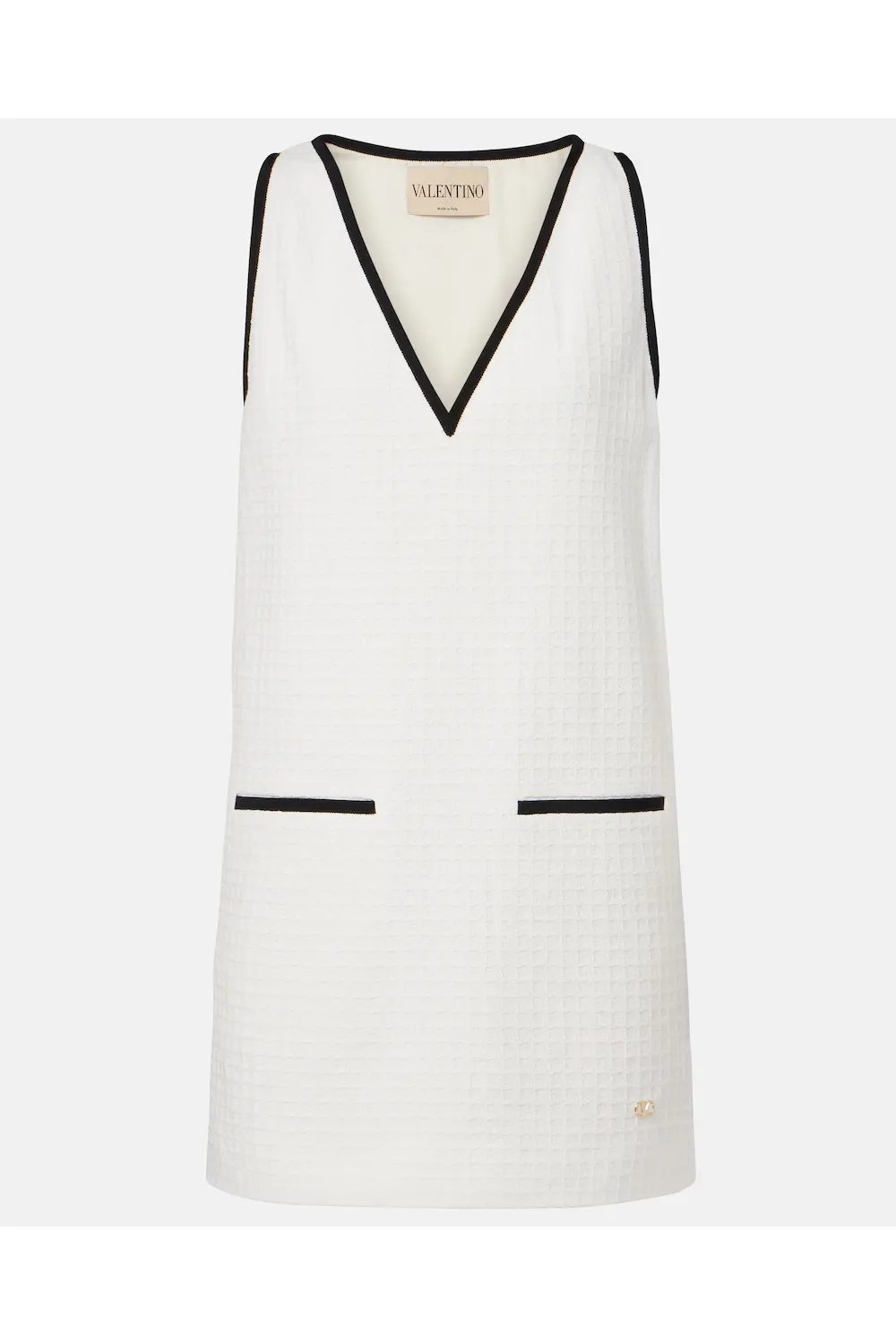
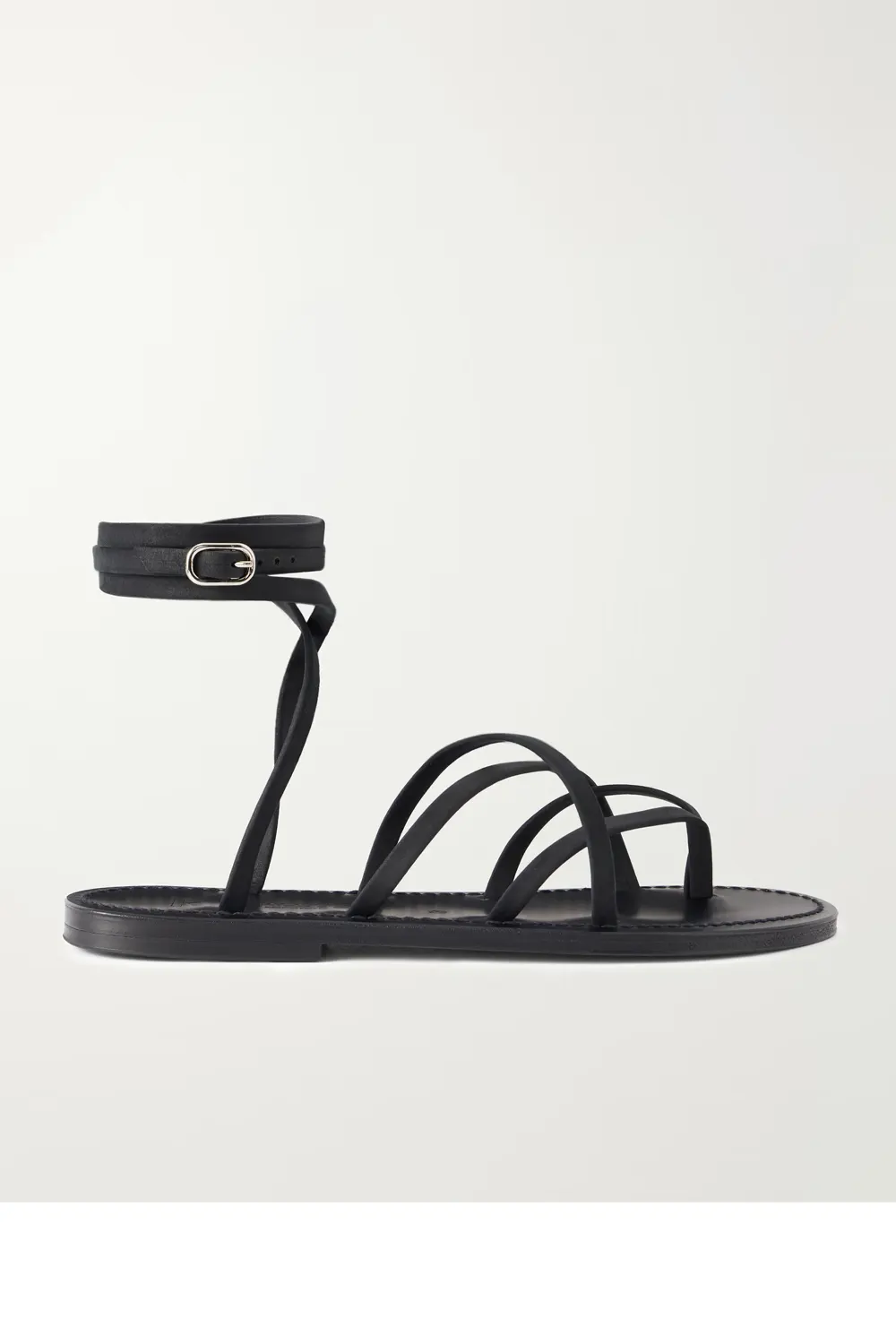
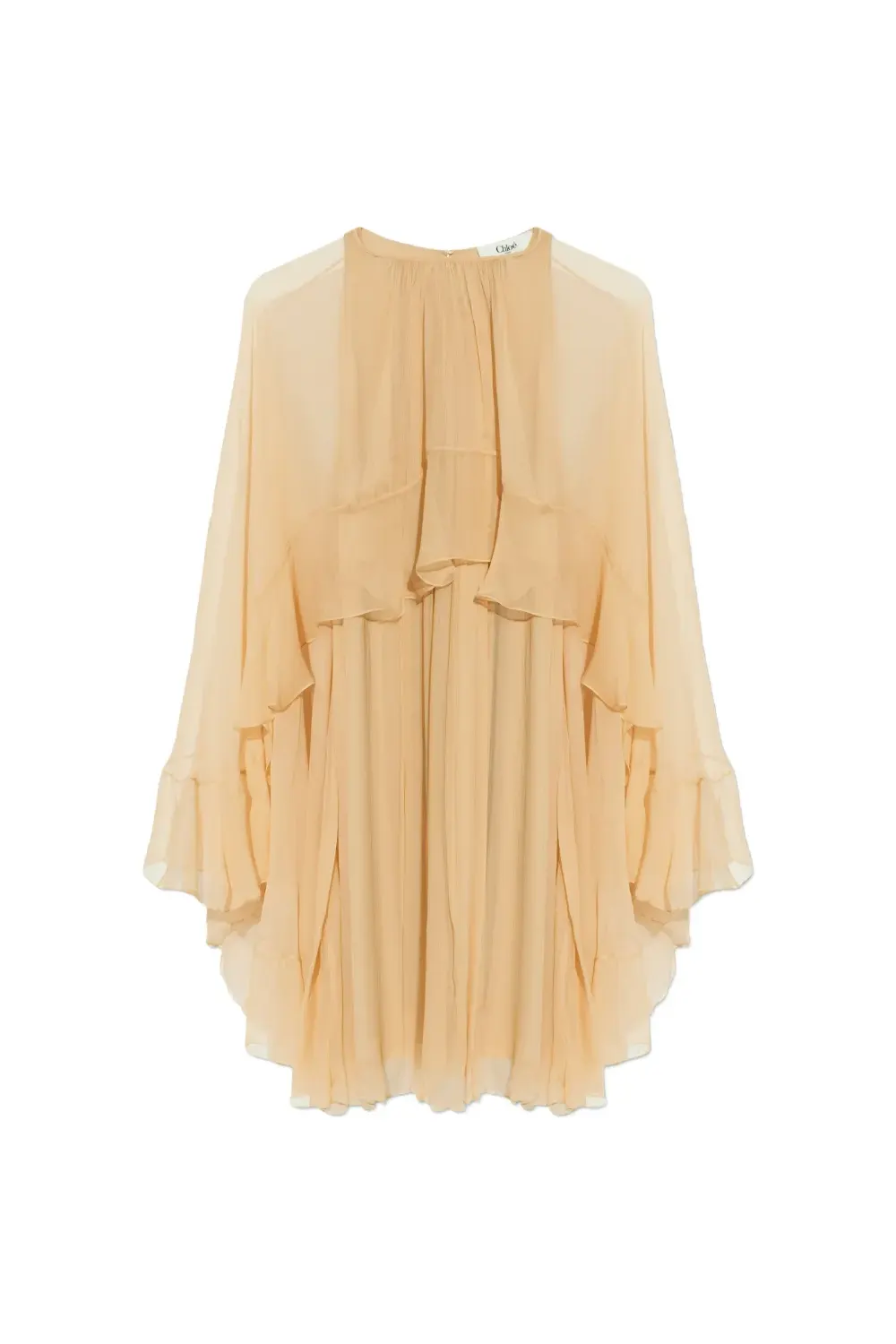
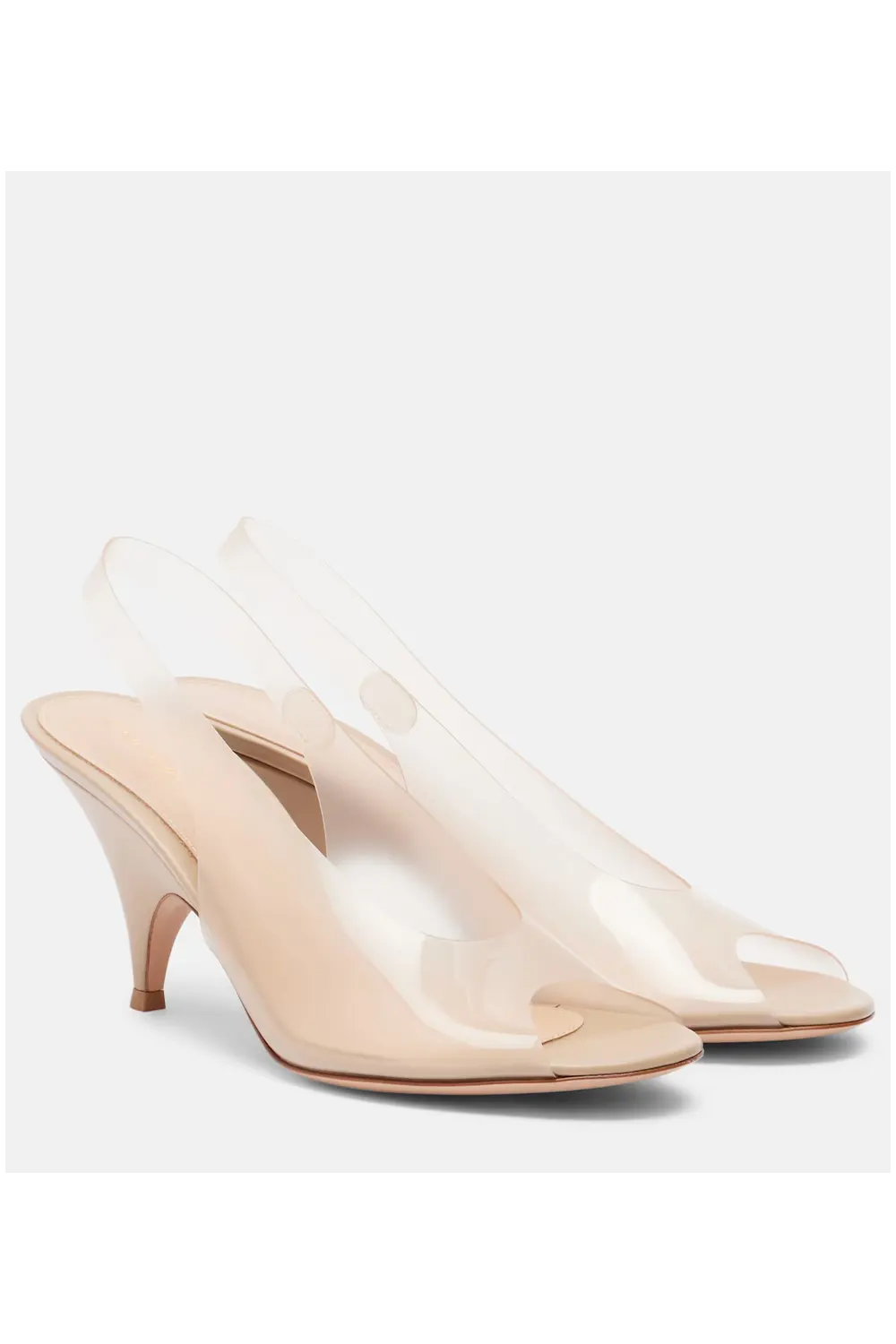
The midi dress is the single-piece solution to 80 degree dressing, and it deserves more credit than it gets as a genuinely effortless outfit formula. One decision, and you are dressed. There is no proportion calibration, no top-and-bottom coordination, no wondering whether the waistband sits right. You put it on and you are done.
What makes a midi dress work specifically at 80 degrees is the length: long enough to feel covered without trapping heat the way a maxi does, and structured enough to move with rather than against you in warm conditions. The best fabrics here are cotton voile, linen, or a lightweight viscose blend. Avoid anything with a lining unless the outer fabric is genuinely sheer, because the extra layer defeats the purpose in warm weather.
Pair with flat leather sandals for daytime and a strappy heeled sandal for evening. Keep the bag simple, a small structured tote or a leather shoulder bag, and let the dress do most of the talking. For women who ask how to dress for 80 degree weather and want the simplest possible answer, this is it. If you are building out your warm weather wardrobe more broadly, the best summer outfit ideas cover the full range of seasonal formulas worth knowing.
3. The Linen Trousers and Fitted Tank
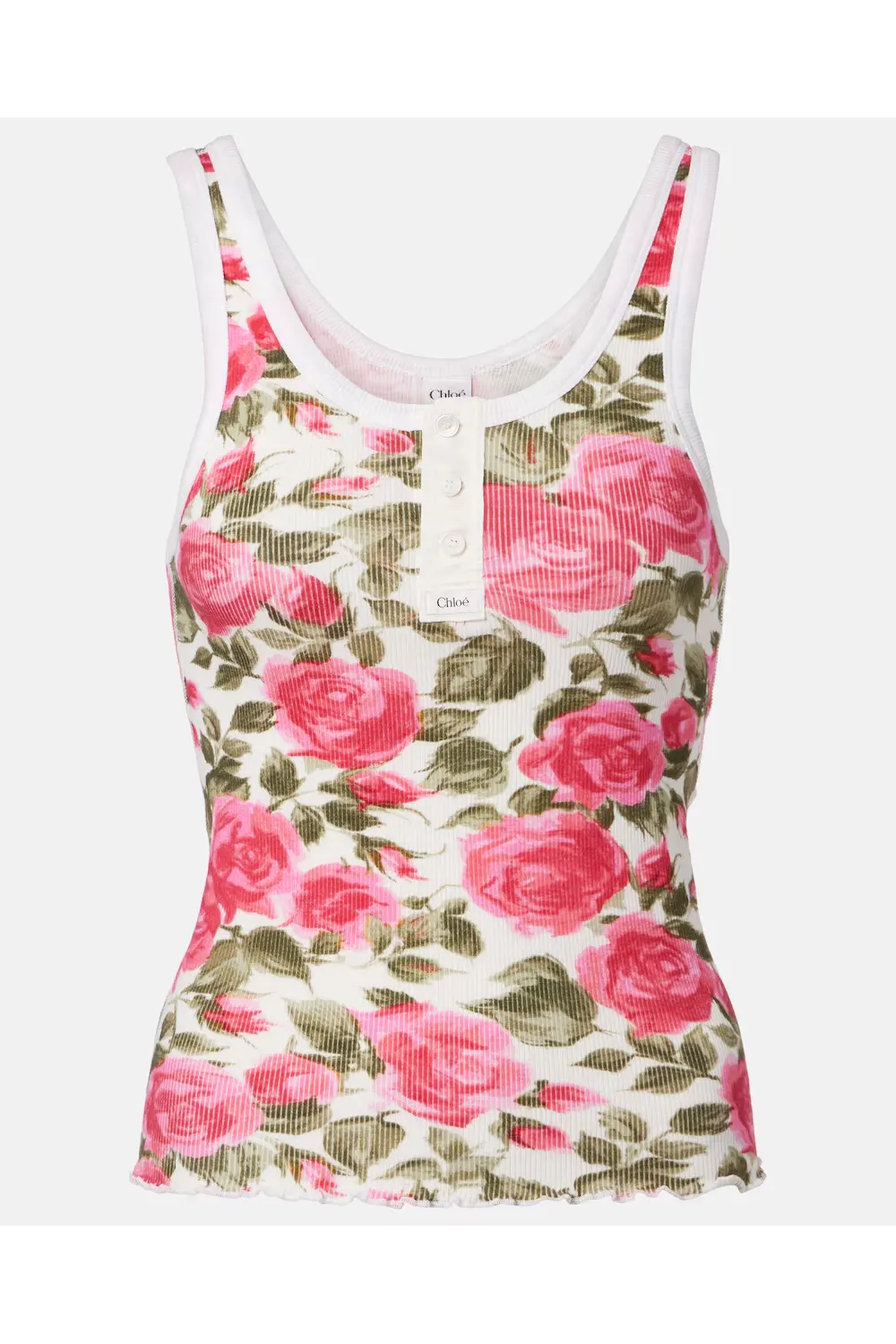
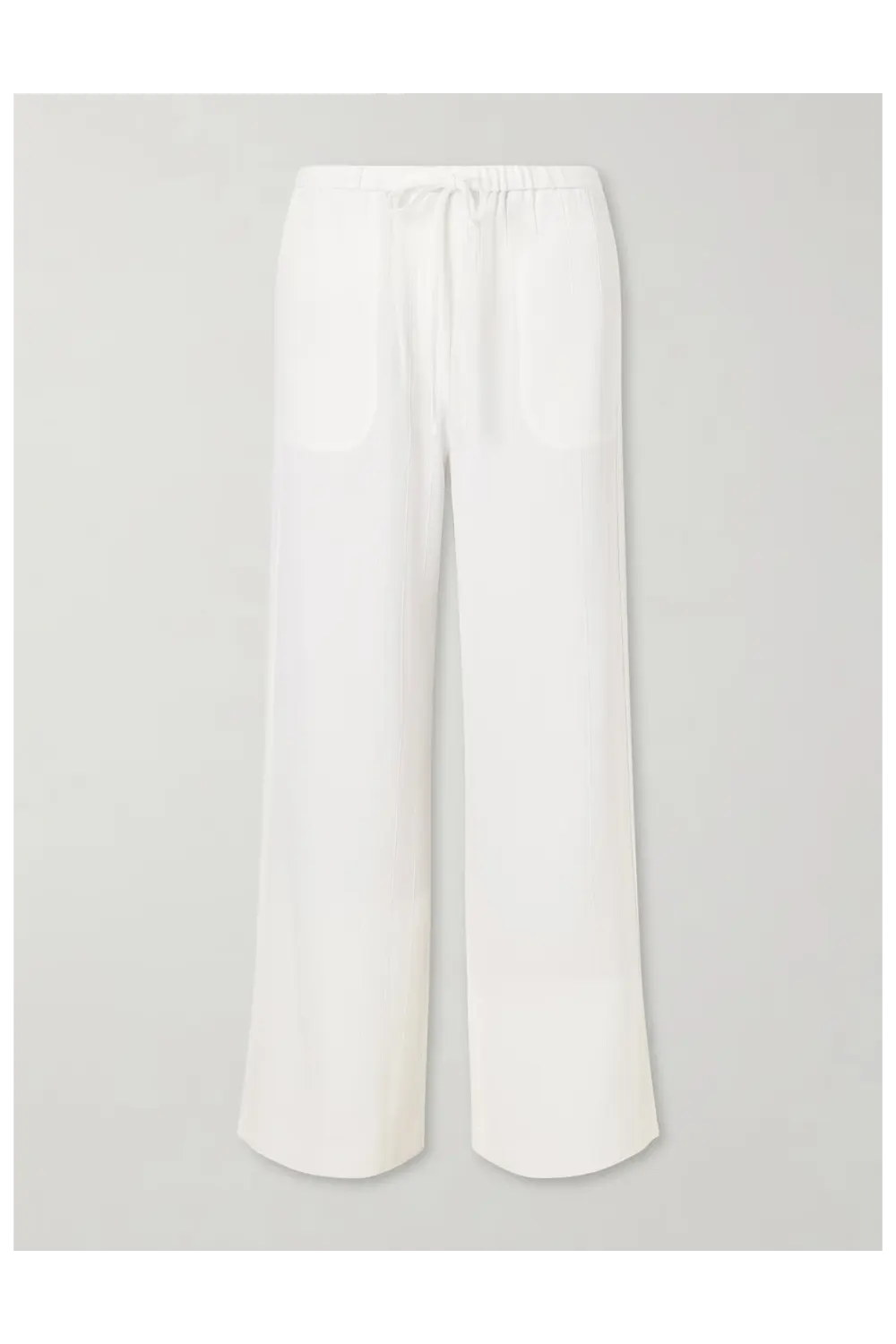
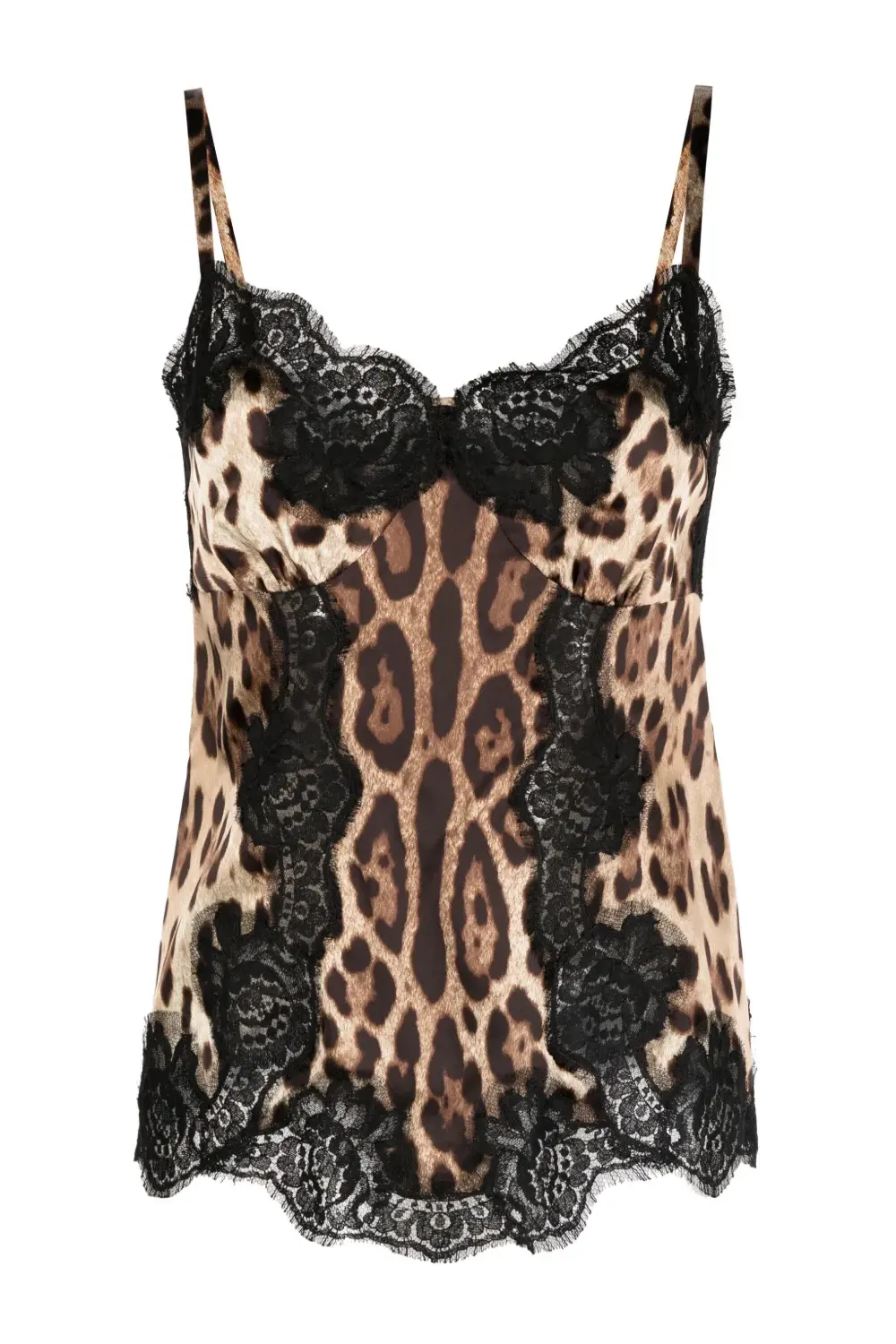
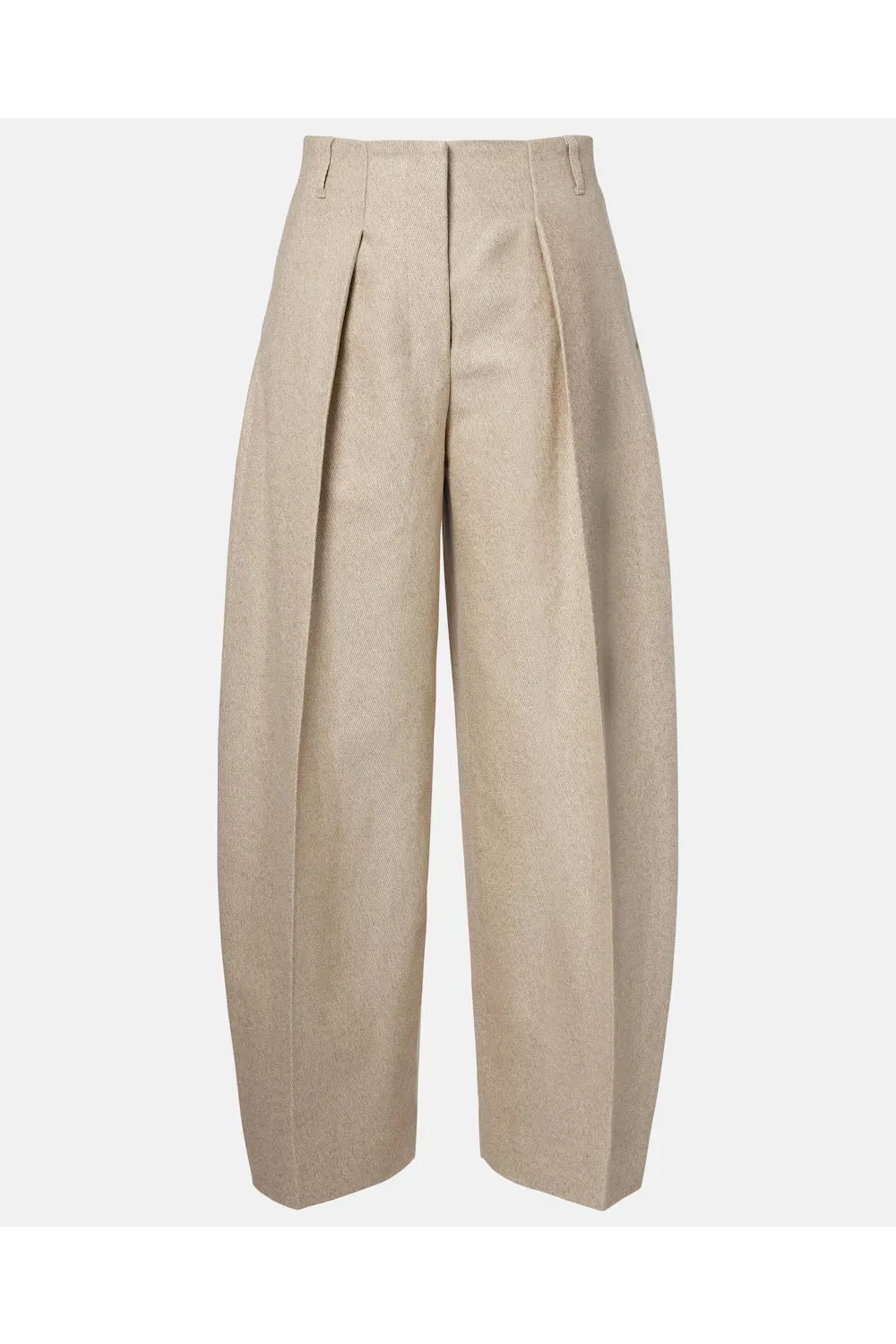
This is the elevated casual formula that consistently looks more put together than the individual pieces suggest it should. Wide-leg or straight-cut linen trousers in a neutral or warm tone, paired with a ribbed cotton tank, a silk-blend cami, or a fitted modal top, creates a clean contrast between the relaxed trouser silhouette and the closer-fitting upper half.
The proportional logic is straightforward: volume on the bottom, fitted on top. It is a balance that works regardless of body type and reads as intentional rather than accidental. The choice of top fabric shifts the register significantly: a ribbed cotton tank keeps it casual and accessible, while a silk or silk-blend cami moves it into evening territory without any other changes.
There is considerably more to this formula than most styling guides acknowledge, and if linen trousers are a new addition to your wardrobe, understanding how to style linen pants across different contexts is worth your time before you default to one version of the look. Finish with a mule or a low-heeled sandal, and a crossbody or shoulder bag to keep the hands free.
4. The Denim Shorts and Breezy Blouse
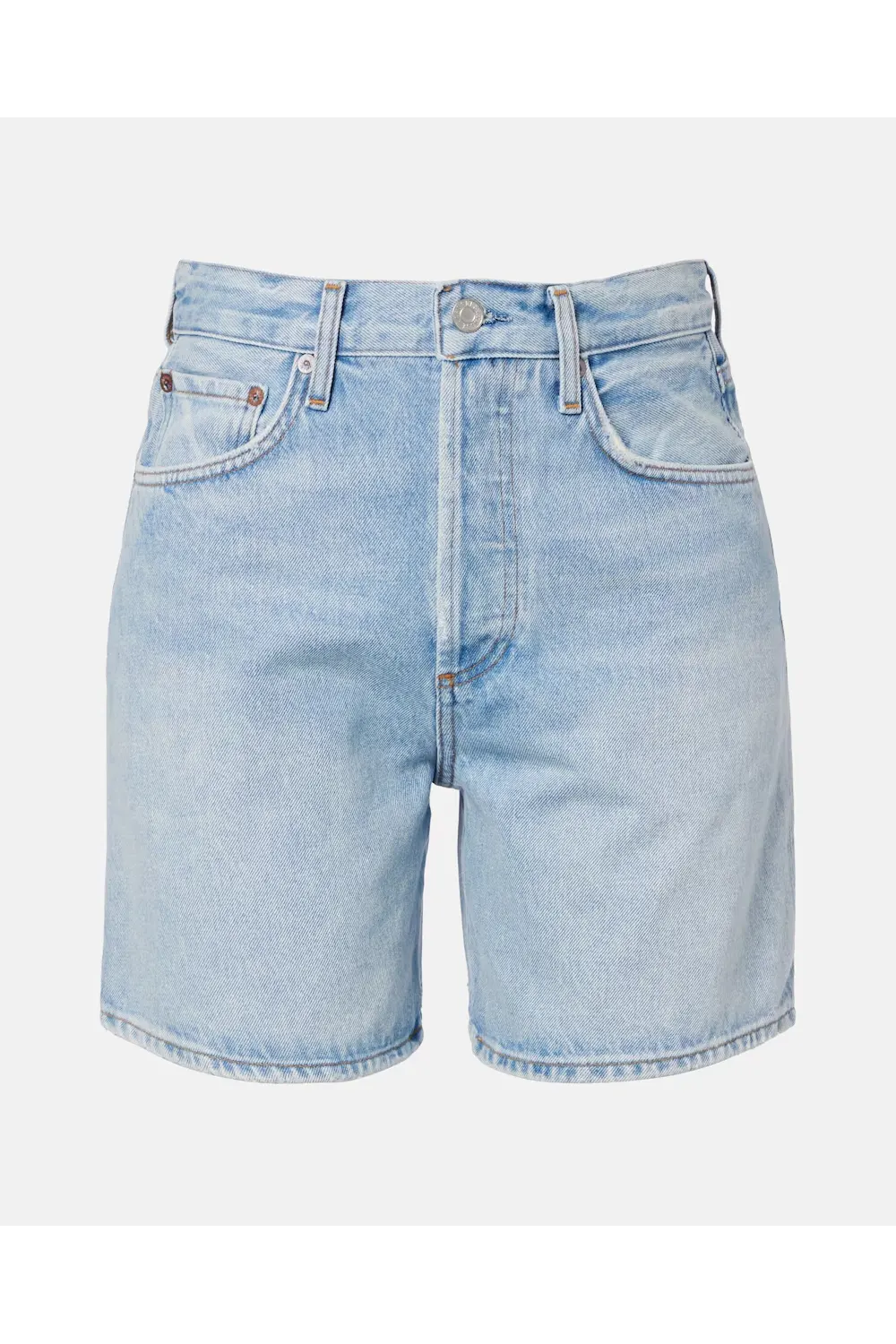
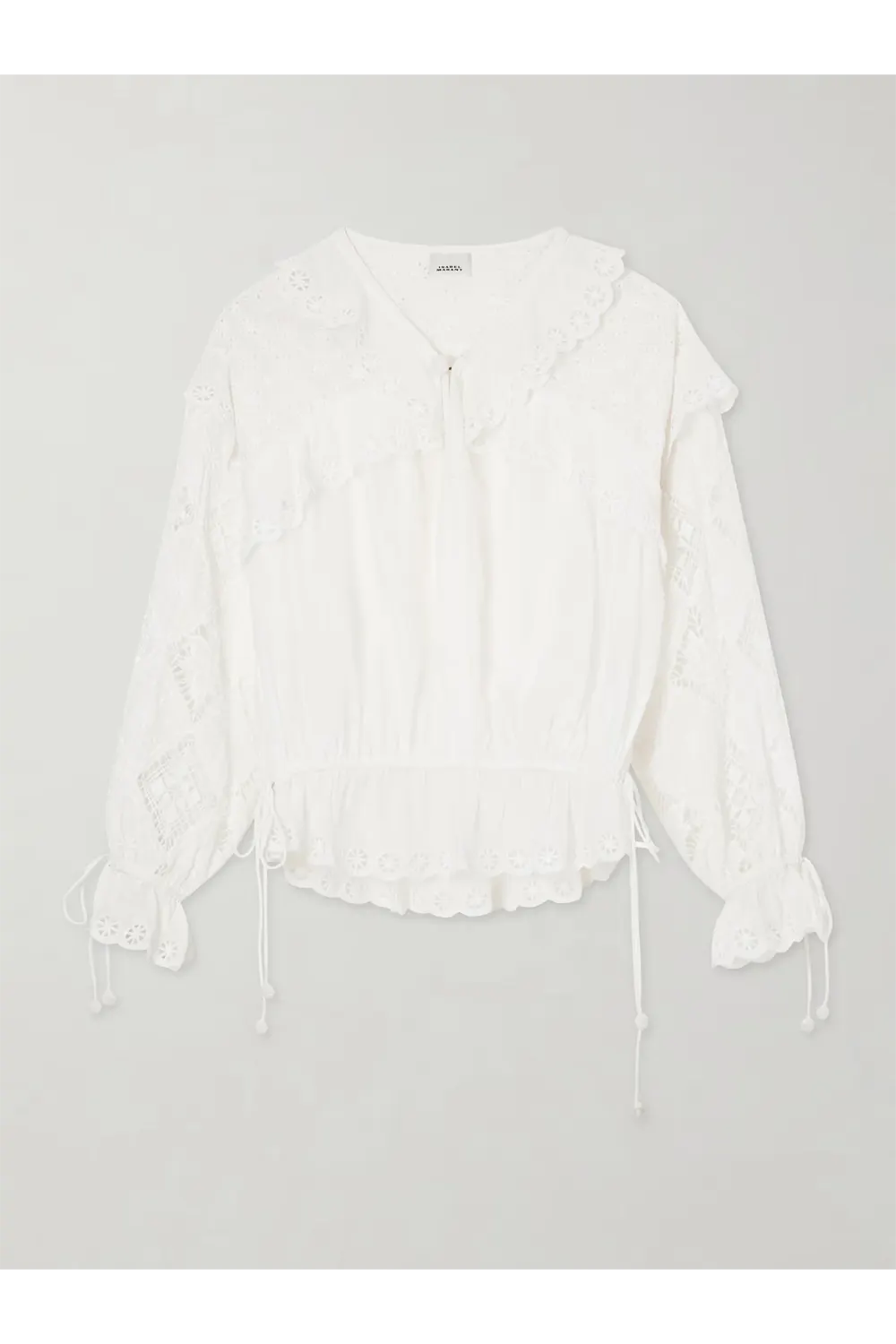
This combination is worth rescuing from its casual, afterthought reputation, because when the individual pieces are chosen with care, it is one of the sharpest 80 degree outfits available. The distinction is in the specifics. This is not a cutoff and a fitted tee. This is structured, tailored denim shorts in a mid-thigh or longer length paired with a genuinely interesting blouse broderie anglaise, a silk-blend with a relaxed collar, a linen or cotton weave with texture.
The blouse is doing the elevation here, and it needs to earn its place. Look for fabric quality over embellishment: a well-cut blouse in a good fabric reads as expensive even at an accessible price point, while a heavily adorned blouse in poor fabric reads as the opposite regardless of what it costs. Tuck loosely at the front or knot at the hem, depending on the silhouette.
Footwear for this combination should lean toward the sleeker end: a leather slide, a simple flat sandal, or a low espadrille. Chunky sneakers or platform sandals work for a more directional take. A structured mini bag or a small tote finishes the look without adding visual noise.
5. The Sundress and Sneaker Edit
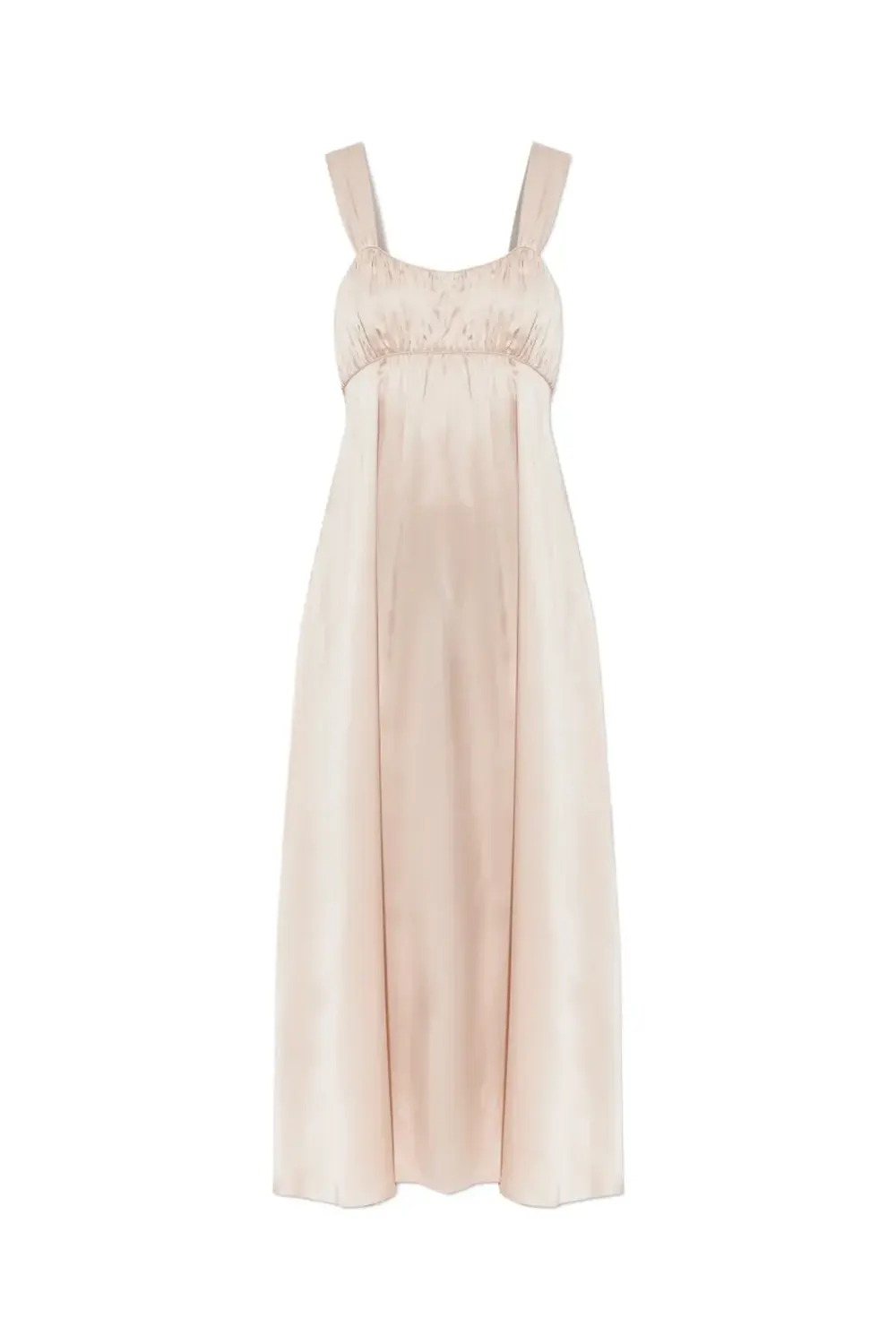
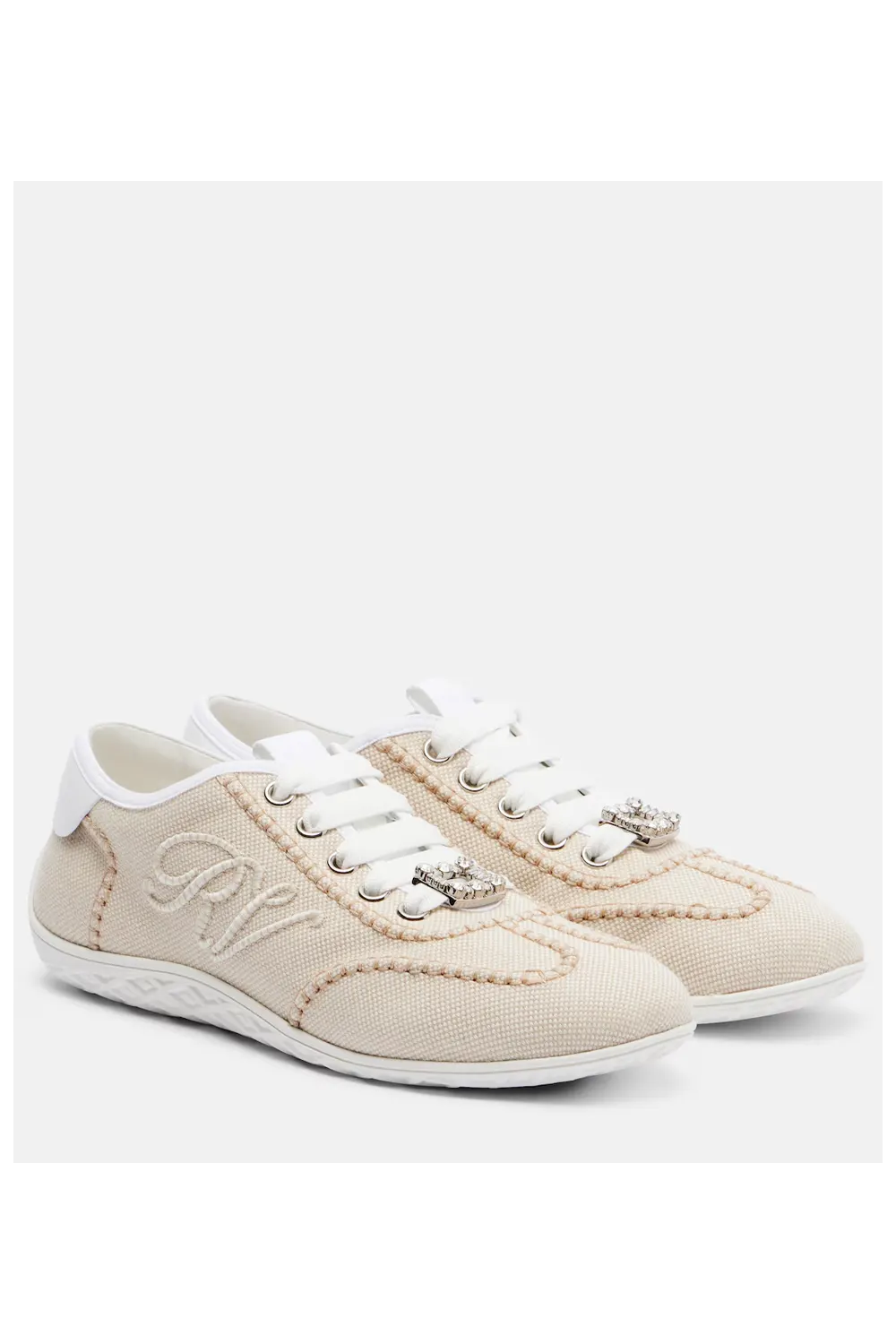
The sundress and clean sneakers are the 80 degree outfit formula for women who want to look dressed without looking like they tried, and it delivers on that brief consistently. The key is the sneaker choice: this works with a low-profile, clean silhouette sneaker in white, cream, or a neutral tone. A bulky trainer or a heavily branded athletic shoe shifts the look from styled to accidental.
The sundress itself can be smocked, printed, tiered, or plain. What matters more than the style is the length and fabric: a knee-length or midi-length dress in cotton or linen keeps the proportions right with a flat sneaker, while a very short sundress with a flat sneaker can read as underdressed depending on the context. A slight heel on the sneaker, or a low platform, resolves that proportion issue if it arises.
This is also the formula that travels best: easy to pack, easy to dress up or down with a shoe swap, and comfortable enough to wear across a full day of activity. For women who are already thinking about the broader picture of spring and summer fashion trends, the sundress and sneaker combination is one of the most consistent seasonal formulas that does not age out between years.
6. The Monochrome Linen Look
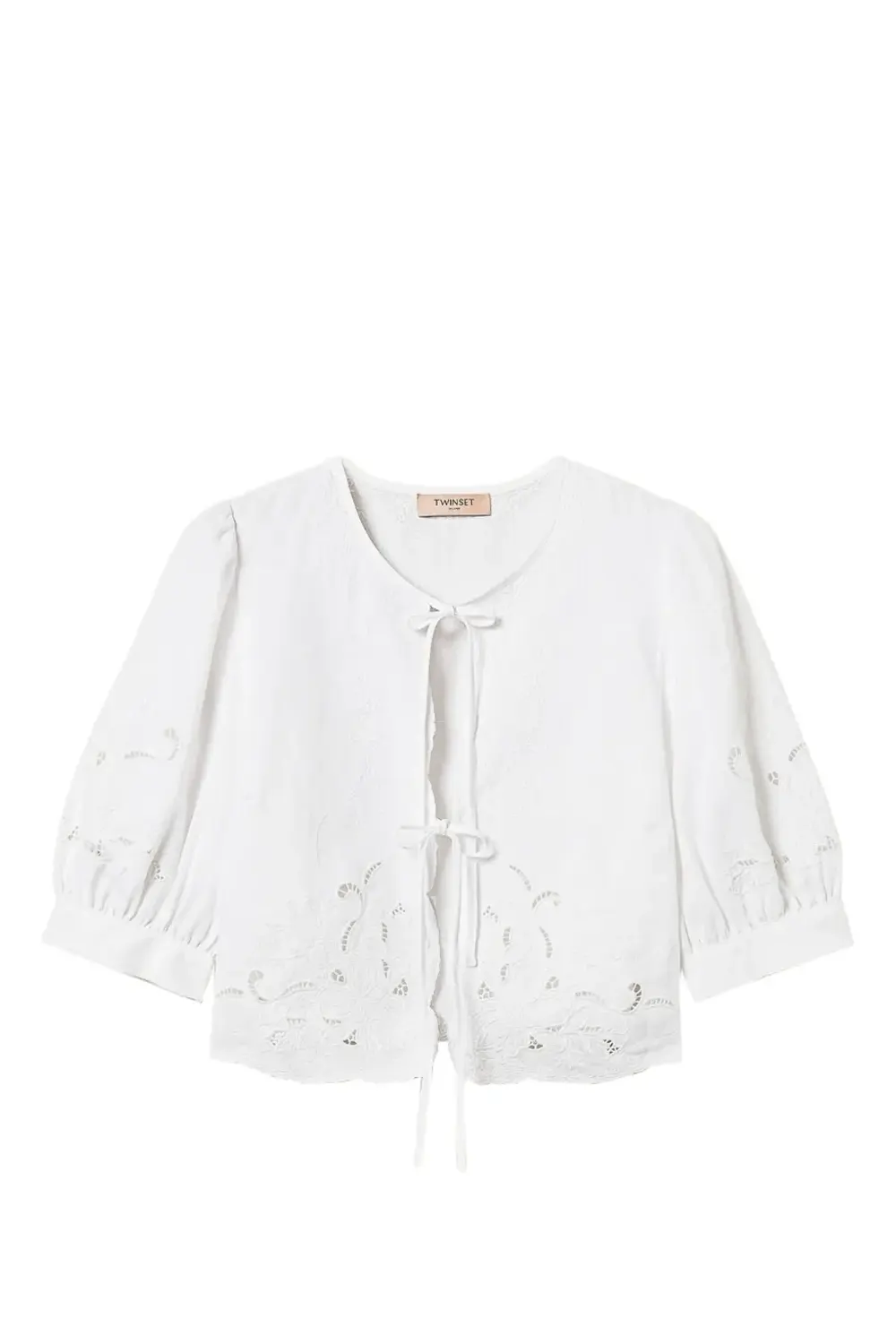
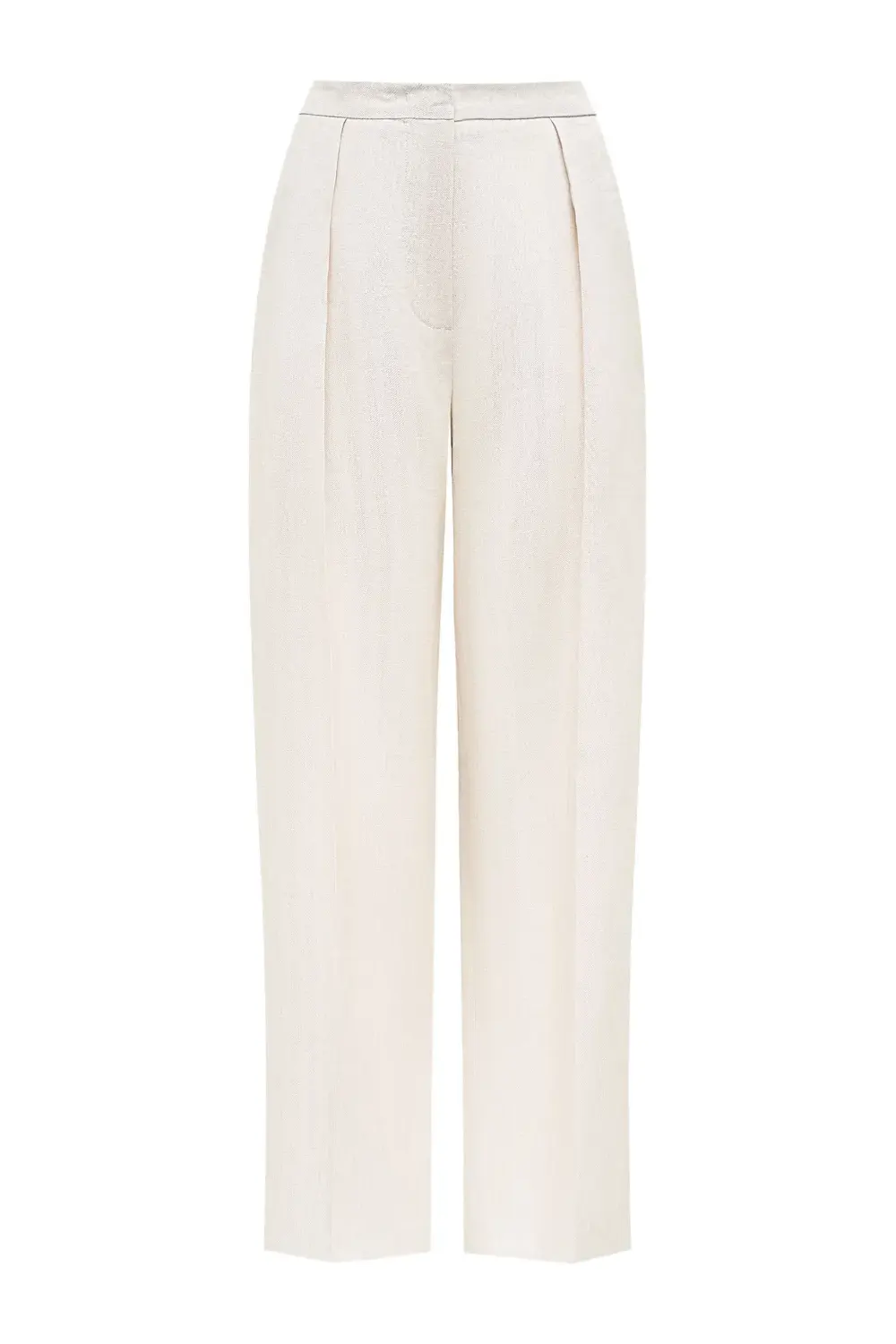
Dressing head-to-toe in one color is one of the most reliable style shortcuts available, and at 80 degrees it works particularly well because the simplicity of the color story allows the fabric and silhouette to carry the outfit. Cream on cream, terracotta, soft sage, warm sand, dusty blush, the specific color matters less than the commitment to it.
The most important variable in a monochrome linen look is texture variation. If every piece is the same fabric weight and finish, the outfit reads as flat. Vary the texture: a linen wide-leg trouser paired with a woven cotton top, or a linen skirt with a ribbed knit tank in the same color family, creates visual interest without breaking the color story. The textures do the work that contrasting colors would do in a more conventional outfit.
This is also an outfit formula that scales extremely well across budgets. A fully monochrome look in accessible high street pieces reads as considerably more expensive than it is, which is worth noting for anyone interested in the principles behind dressing and looking classy on a budget. The cohesion of the color story does more visual work than the price tag of any individual piece.
It is worth noting that warm-weather dressing is increasingly shaping purchasing behavior at a global scale: the global womenswear market is projected to reach $1.14 trillion by 2032, a figure that reflects the sustained appetite for considered seasonal dressing rather than fast, disposable choices. The monochrome linen look is exactly the kind of outfit that justifies investment in fewer, better pieces.
7. The Elevated Casual: Wide-Leg Trousers, Crop Top, and Tote
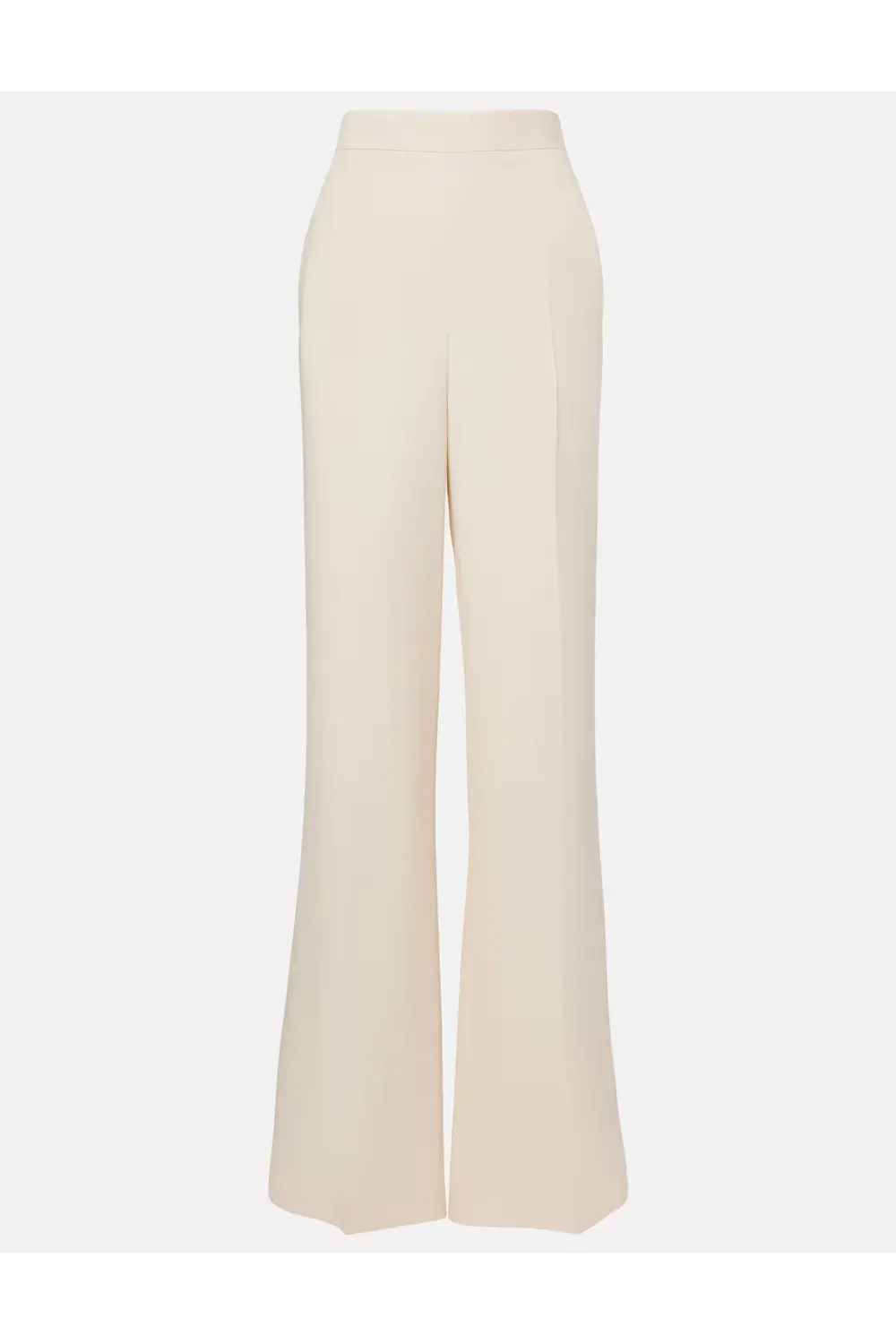
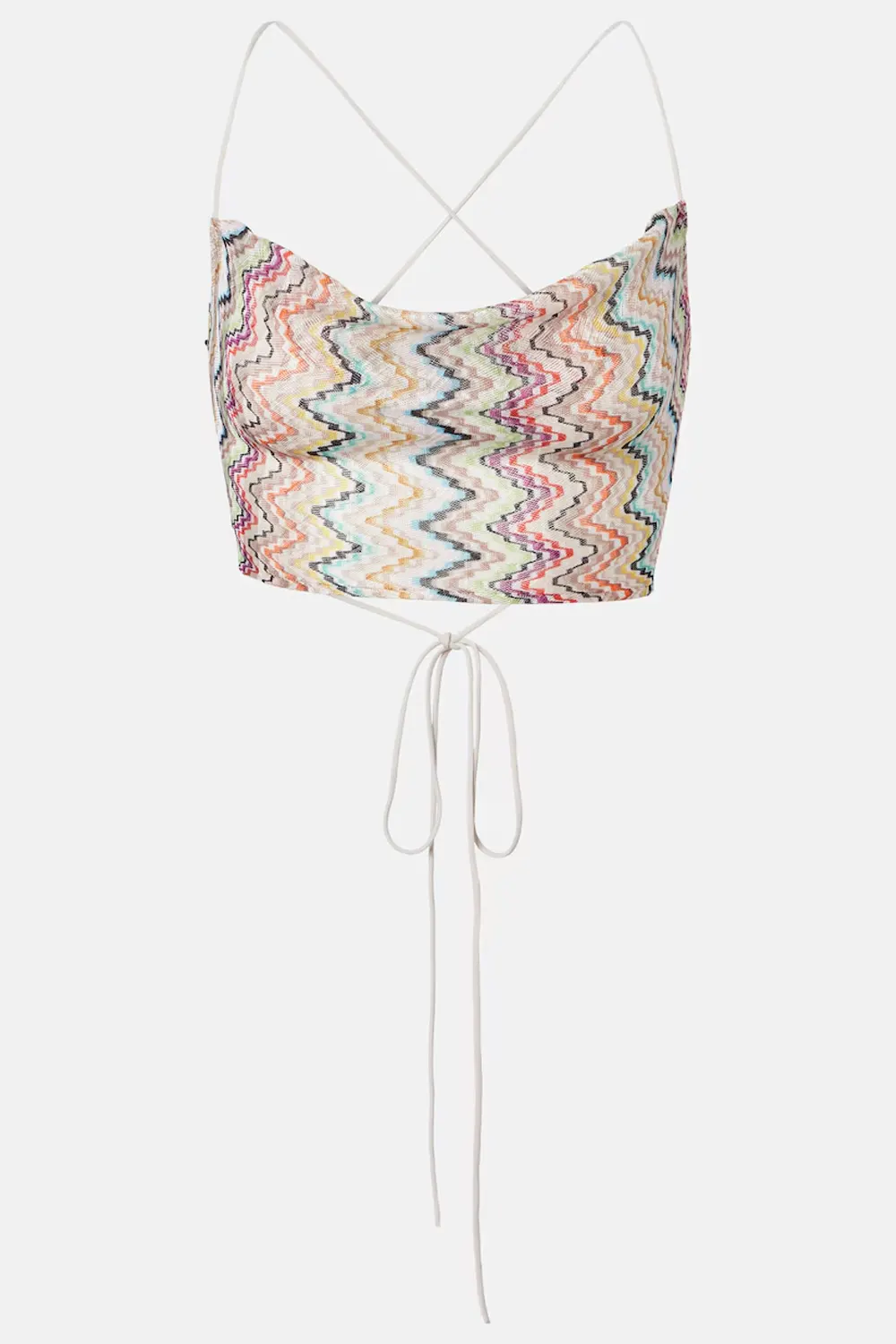
This is the 80 degree outfit for women who want to look like they made a deliberate effort without the outfit feeling stiff or overdressed for the temperature. Wide-leg trousers in a lightweight fabric; linen, cotton blend, or a fluid viscose paired with a clean crop top or a fitted short-sleeve top, finished with a structured tote and a sandal or mule, is a formula that hits a precise register: casual enough for a warm day, polished enough for almost any daytime context.
The crop top in this context does not need to be aggressively short. A top that hits just at or slightly above the waistband of the trousers creates the right proportion without leaning into a look that reads as beach-adjacent rather than street-ready. The trousers do significant work here: a well-tailored, fluid, wide-leg pair in a good fabric elevates a simple top immediately.
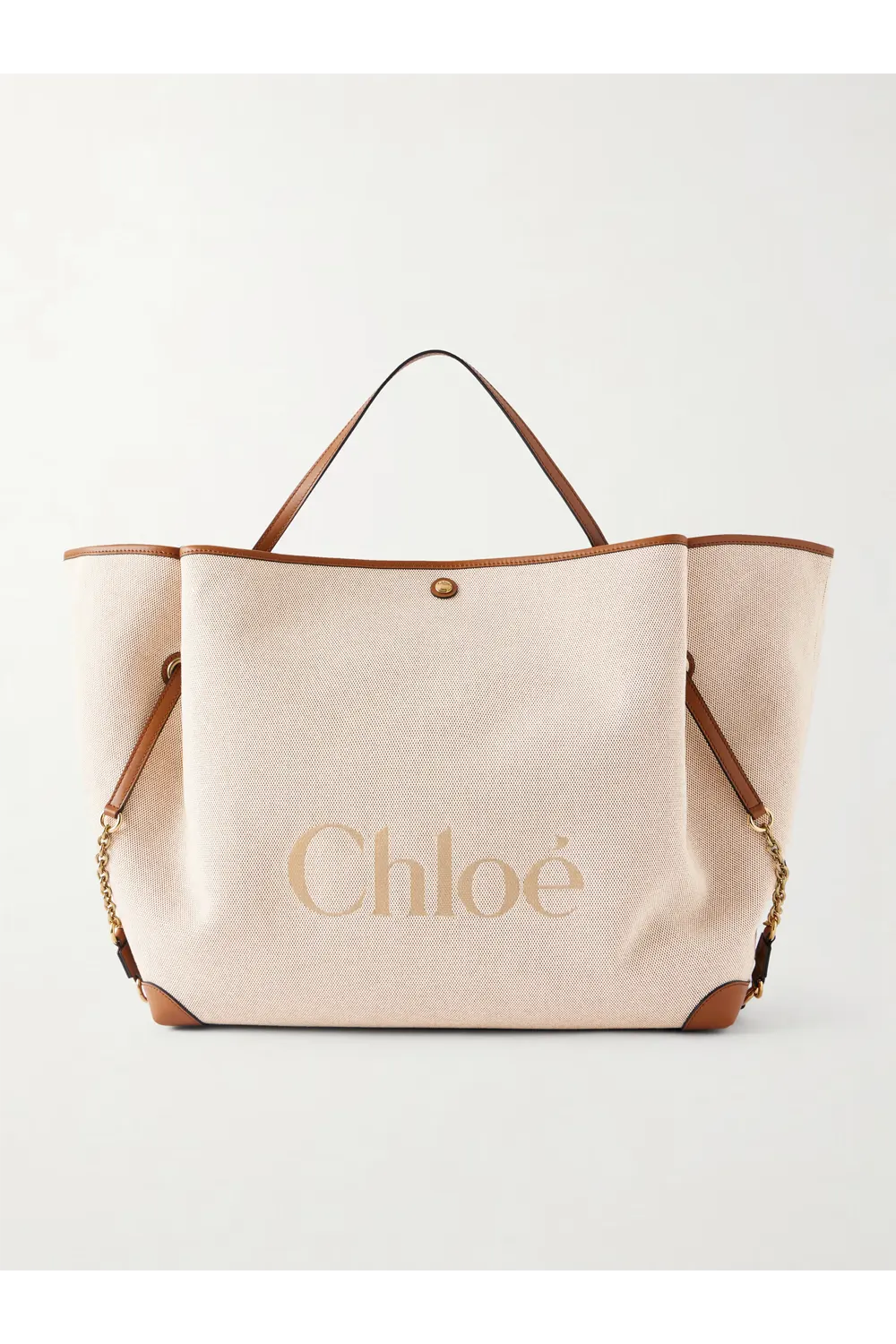
The bag is where this outfit gets its finish. A structured leather tote, a woven raffia bag, or a minimalist shoulder bag in a complementary tone ties the look together and signals intention. Given that warm weather is peak season for updated bag choices, it is worth checking what the summer handbag trends are doing right now before defaulting to the same bag you carried last season. For relaxed outfits for women that still read as considered, this wide-leg and crop top formula is one of the most reliable options in the warm-weather wardrobe.
Shoes That Work Best in 80 Degree Weather
Footwear at 80 degrees operates in a fairly defined range, but within that range, the choices are more interesting than the default sandal conversation suggests.
Flat leather sandals are the most versatile option: they work with dresses, trousers, and shorts, they photograph well in natural light, and they age gracefully in quality leather. The silhouette matters: a minimal strappy sandal reads more elevated than a chunky gladiator, while a single-band slide sits at the clean, modern end of the spectrum.
Mules and slides with a low heel or a block heel extend the life of an 80 degree outfit into evening without requiring a full shoe change. A two-centimeter to four-centimeter block heel is the practical sweet spot: enough lift to dress an outfit up without being impractical on warm-weather terrain like cobblestones or outdoor dining terraces.
White leather sneakers remain relevant at 80 degrees, particularly with the sundress and casual trouser outfits covered above. The condition of the sneaker matters considerably at this temperature: a box-fresh or well-maintained white sneaker reads as intentional, while a worn-out one undermines an otherwise considered look.
For women building out their warm weather shoe wardrobe, the full breakdown of summer sandals trends covers the key silhouettes worth knowing for the current season, including the styles that are crossing from trend into wardrobe staple territory.
How HSS Approaches Warm Weather Dressing
At Haute Secret Shoppers, seasonal dressing is approached with the same level of considered analysis that goes into luxury bag coverage and pricing guides. Warm weather outfit content on HSS is not built around trend aggregation or mood boards: it is built around practical outfit formulas that work across body types, budgets, and real-life contexts.
HSS covers warm weather dressing across the full spectrum, from investment-level pieces to accessible alternatives, with the same standard of specificity applied throughout. That consistency is what makes the site a reliable reference point for readers who take their wardrobe decisions seriously.
FAQs
1. What are the best fabrics to wear in 80 degree weather to stay comfortable without sacrificing style?
Linen and cotton are the two strongest choices for 80 degree weather: both breathe naturally, both perform well in direct sun, and both improve aesthetically as the day progresses rather than looking worse for wear. Silk and silk-blend fabrics are the elevated alternative, offering temperature regulation that most other materials do not. The fabrics to avoid are polyester-heavy blends, thick denim, and any fabric with significant lining, all of which trap heat and lose their shape in warm conditions.
2. What is the most versatile 80 degree weather outfit that works for both daytime errands and a casual evening out?
The linen set, matching trousers and a relaxed button-front top in the same fabric is the single most versatile 80 degree formula. It reads as effortless in the daytime and, with a shoe swap from a flat sandal to a low-heeled mule and the addition of a simple piece of jewelry, transitions convincingly into a casual evening look. The monochrome linen look achieves a similar range. Both outfits require almost no active styling and adapt to a wide variety of social contexts without looking underdressed or overdone.
3. Can you wear jeans in 80 degree weather, and if so, how should they be styled?
Lightweight denim, specifically a thinner cotton-blend denim rather than a heavy selvedge fabric, is manageable at 80 degrees in shaded or air-conditioned environments. The styling approach matters: a straight or wide-leg cut in a lighter wash circulates more air than a skinny fit in dark denim. Pair with a linen or cotton top to offset the denim’s weight and keep the overall temperature equation balanced. Avoid dark-wash heavy denim in direct sun at this temperature; it absorbs heat significantly more than lighter alternatives.
4. What colors are most flattering and practical to wear in 80 degree weather?
Warm neutrals like terracotta, camel, warm sand, butter yellow, dusty blush are both flattering and practical at 80 degrees, offering all the visual warmth of the season without the stark brightness of white. White and ivory work but show humidity and light perspiration more readily than warmer tones. Sage green and soft coral are particularly good choices for warm skin tones. The one color consideration with a practical dimension is dark navy or black in direct sun, which absorbs more heat than lighter alternatives and is better suited to shaded or indoor contexts at this temperature.
5. How do you dress for 80 degree weather when the day involves both outdoor and heavily air-conditioned indoor environments?
The solution is a light layer that can be removed and reintroduced without disrupting the outfit. A linen or cotton overshirt worn open over a dress or tank-and-trouser combination provides enough coverage in over-air-conditioned spaces while being easy to tie around the waist or carry in a bag when outside. A lightweight long cardigan in a fine cotton or viscose knit serves the same purpose. The key is choosing a layer in a fabric light enough to pack without bulk and in a color that complements the base outfit rather than contradicting it.
6. What shoes should you avoid in 80-degree weather, even if they look good with the outfit?
Closed-toe leather shoes and ankle boots are the two most common mistakes at 80 degrees. Both trap heat and humidity in ways that become uncomfortable quickly in warm conditions, and both tend to look seasonally incongruous once the temperature climbs. Suede in any form is also worth avoiding if there is any possibility of outdoor heat or light humidity, as it marks easily and does not recover well. Platforms with thick rubber soles can also be uncomfortable in direct sun as the sole absorbs ground heat, particularly on paved surfaces.
7. How do you make a simple 80-degree weather outfit look expensive without spending more?
Fabric quality and fit are the two variables that most reliably signal value regardless of price paid. A well-fitted linen trouser in a good fabric reads as expensive at any price point; a poorly fitted linen trouser in cheap fabric reads as cheap at any price point. Beyond fit and fabric, the monochrome dressing principle covered in this guide is one of the most accessible styling tools available: head-to-toe color cohesion reads as intentional and considered in a way that mix-and-match often does not. One strong accessory, a well-structured bag, a quality pair of sunglasses, a single piece of jewelry, finishes the look in a way that multiples of lesser accessories cannot replicate.
8. What bags work best with 80-degree weather outfits?
Structured leather totes, minimal shoulder bags, woven raffia bags, and small crossbodies are the four strongest choices for warm-weather outfits. Raffia and woven bags are particularly well-suited to the season aesthetically and feel appropriate with both casual and semi-elevated looks. A structured leather tote in a neutral tone works across all seven of the outfit formulas in this guide. The one bag type to approach with more consideration in heat is dark, uncoated leather, which can mark from humidity and perspiration more readily than treated or lighter-colored leather alternatives.
9. Is it appropriate to wear a blazer in 80 degree weather, or does it always look out of place?
An unlined linen or cotton blazer worn open over a dress or top-and-trouser combination is not only appropriate at 80 degrees but is one of the more elegant 80-degree outfit formulas available. The keyword is unlined: a fully lined blazer in any fabric becomes uncomfortable very quickly at this temperature. An unlined linen blazer worn loosely over a simple dress or a trouser-and-tank combination adds structure and polish without adding significant warmth. It is also one of the more practical solutions for environments that shift between outdoor heat and over-cooled indoor spaces throughout the day.
10. How should you approach 80 degree weather dressing for a summer wedding or semi-formal event?
The midi dress is the most reliable semi-formal solution at this temperature. In a quality fabric, such as silk, silk-blend, cotton voile, or fine linen, with a heeled sandal, a minimal clutch, and considered jewelry, a midi dress reads as fully occasion-appropriate without the physical discomfort of heavier formal wear. Avoid tulle, heavy satin, and structured boning, all of which become increasingly uncomfortable as the temperature climbs. For a more directional approach, a fluid wide-leg trouser in a luxury fabric paired with a silk cami or an embellished top achieves a similar semi-formal register with more practical comfort throughout the event.