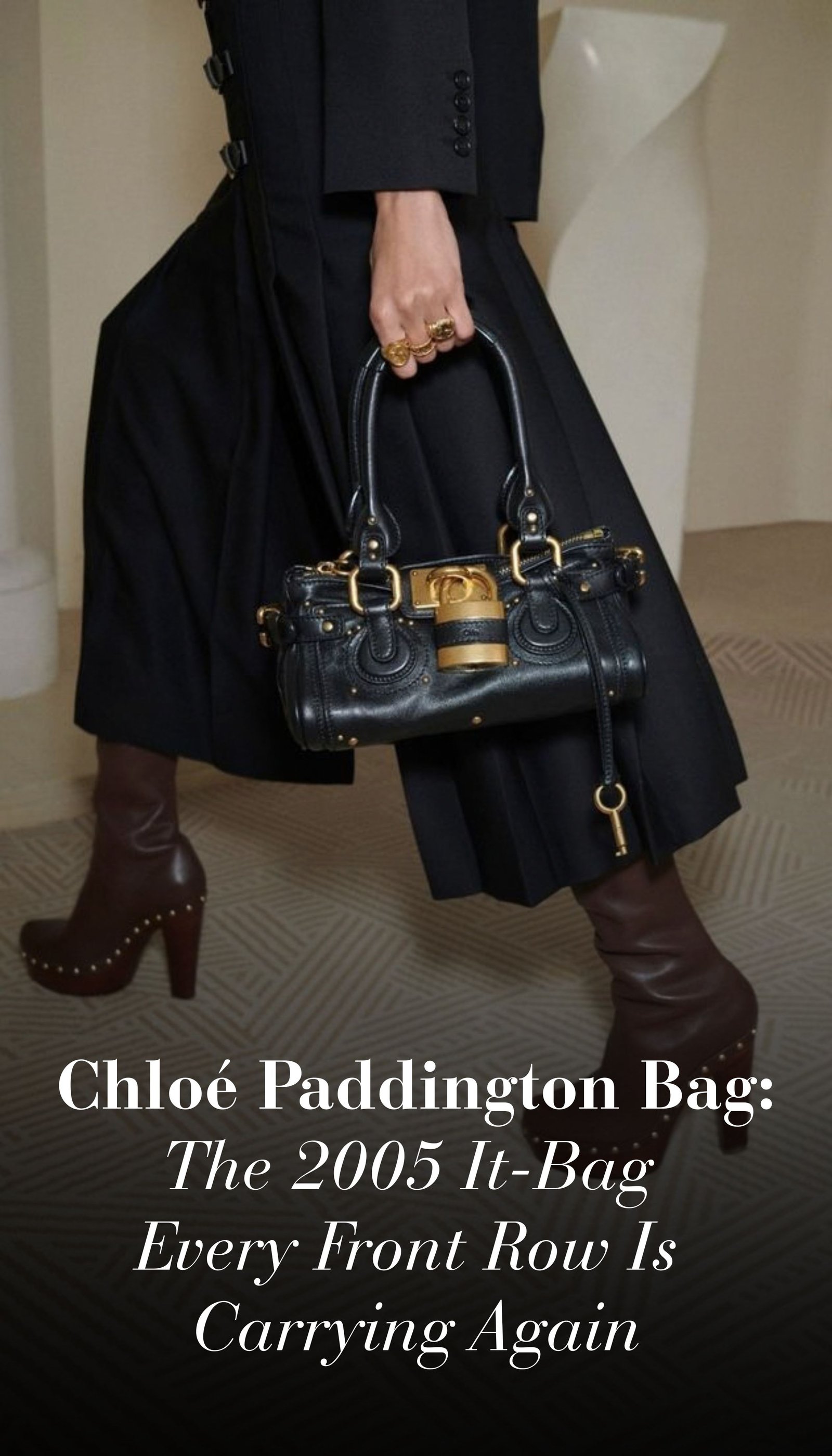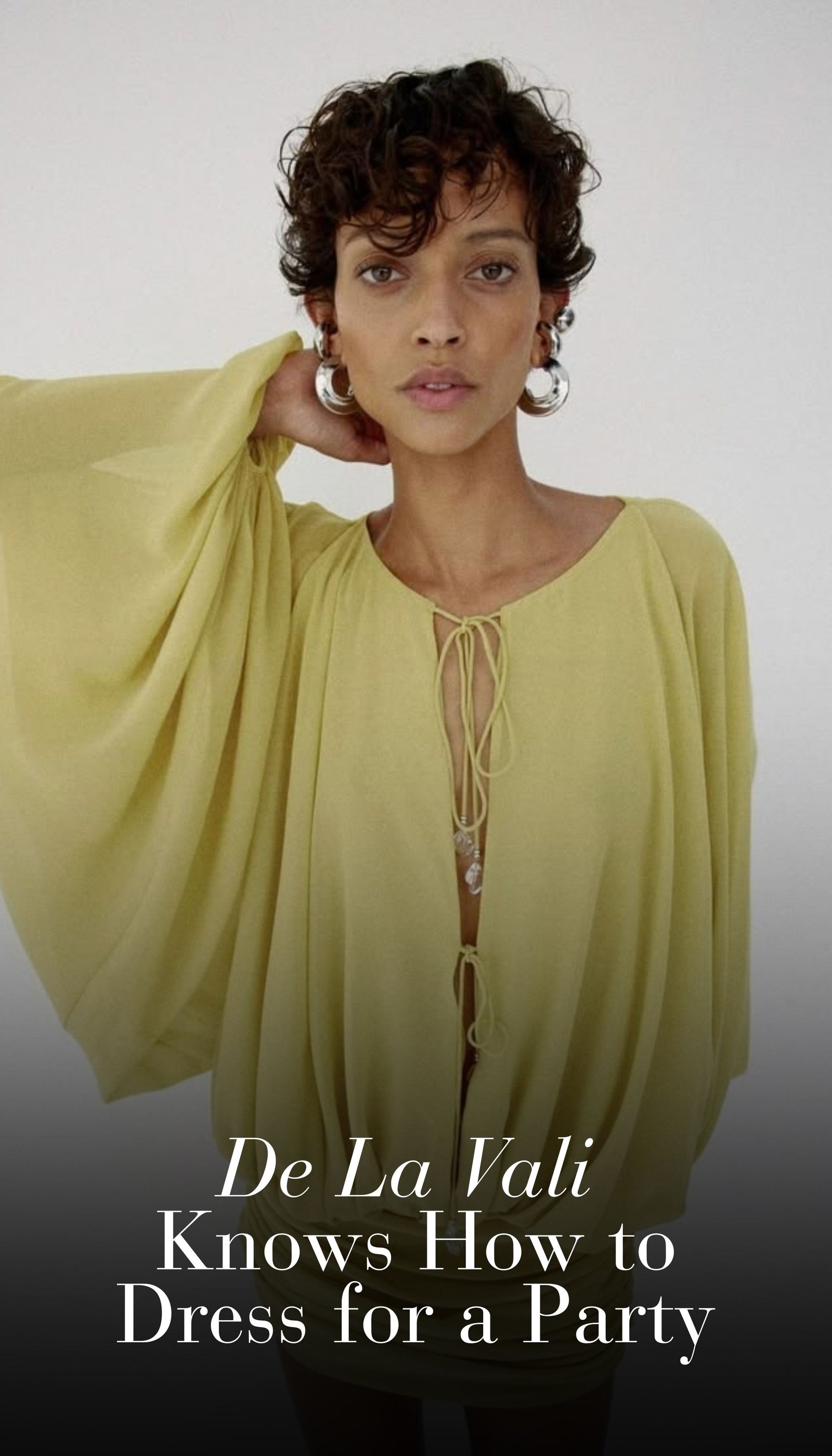

The luxury market has a structural problem that almost nobody talks about openly: the pieces most worth owning are frequently the least accessible through conventional channels. A Hermès Birkin in a specific color and hardware combination. A sold-out Celine Teen Triomphe in a limited seasonal leather. A Chanel bag from an archived collection that still commands above-retail secondary market prices. These pieces do not sit on shelves waiting to be bought. They exist within networks of relationships, allocations, and specialist market knowledge that the average buyer cannot easily access on their own.
This is the gap that luxury sourcing and shopper services exist to close. Not the gap between wanting something and being able to afford it, but the gap between being able to afford something and actually being able to find, authenticate, and acquire it at a price that reflects its genuine market value rather than the speculative premium of an uninformed buyer being exploited by an intermediary with better information.
The personal luxury goods market is projected to reach $540 billion globally by 2033, a figure that reflects both the sustained demand for luxury goods and the increasing complexity of a market where secondary market transactions, boutique allocations, and regional pricing differences create more variables than any individual buyer can track independently. Luxury sourcing services exist precisely to manage that complexity on behalf of clients who understand that the right specialist is worth every penny of their service fee.
What Makes a Luxury Sourcing Service Worth Using
The difference between a good luxury sourcing service and a great one is not always visible at the point of engagement. It becomes visible at the point of transaction, when either everything goes smoothly because the service had the knowledge and relationships to execute correctly, or something goes wrong because it did not. Knowing what to look for before you engage prevents the second outcome.
Category depth over category breadth
A sourcing service that covers luxury bags, clothing, and footwear at a specialist level is fundamentally different from one that also handles private jet bookings, hotel reservations, and restaurant tables. Depth of specialist knowledge in the categories you actually need is the variable that determines whether the service can authenticate what it is selling you, price it correctly, and source it from a trustworthy channel rather than a speculative one.
Documented sourcing relationships
The core claim of any luxury sourcing service is access to pieces that are not publicly available. That claim requires a real foundation: relationships with specific boutiques, authorized retailers, secondary market specialists, and private seller networks. A service that cannot demonstrate the existence and nature of those relationships is making a claim it cannot substantiate.
Authentication as a non-negotiable standard
At the price points involved in luxury handbag and fashion transactions, authentication is the most consequential variable in whether a buyer is protected or exposed. A service that cannot demonstrate specific authentication expertise in the categories it sources is providing less protection than the buyer needs and more risk than they are accepting.
Transparent pricing and market intelligence
A sourcing service adds value when it brings pricing knowledge that the buyer does not have. If a service is sourcing pieces without real-time secondary market data and current boutique pricing across regions, it cannot tell a buyer whether they are paying a fair price. That market intelligence is the practical expression of expertise.
Track record and client base
A luxury sourcing service that has operated for years with a documented client base across multiple markets has had the opportunity to accumulate the knowledge, make the mistakes, and build the relationships that produce consistently reliable service. New entrants may be genuine and capable, but longevity in this specific market is a meaningful signal.
Top Luxury Sourcing/Shopper Services in 2026-2027:
1. Haute Secret Shoppers (HSS)
Instagram: @hautesecretshoppers
Phone: +44745979651
Email: info@secretshoppersuk.com
Haute Secret Shoppers is the luxury sourcing service that was built from the beginning around a specialist proposition: deep expertise in luxury handbags, designer clothing, and luxury footwear, combined with a global sourcing network and the kind of market intelligence that only comes from more than a decade of operating at the intersection of boutique relationships and secondary market knowledge.
Founded in London in 2013 by Bushra Taimur and Hina Marryum, HSS has grown from a local London operation into a global service with personal shoppers and sourcing capability in the UK, USA, UAE, South Korea, Bangladesh, Pakistan, and additional markets. The founders brought complementary expertise: Bushra with an MBA background focused on building the commercial infrastructure and client relationships, Hina driving the technology and global operations side of the business. Together they have built a service that operates as a private members’ style hub rather than an open-access platform, which is a deliberate positioning choice that reflects the relationship-based nature of luxury sourcing at the highest level.
The Three Categories HSS Covers:
HSS’s sourcing expertise is organized around three primary categories, each of which it covers with the depth of a specialist rather than the breadth of a generalist:
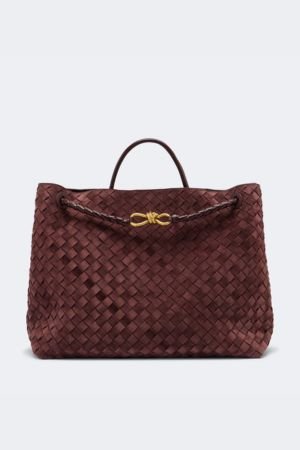
- Luxury handbags are where HSS’s expertise is most established and most documented. The service tracks real-time pricing and availability across every major luxury house, maintains authentication knowledge that covers the specific construction, hardware, and interior details that distinguish genuine pieces from counterfeits in each brand’s range, and has the sourcing relationships to access pieces that are not available through standard retail. From a Hermès Birkin allocation to a sold-out Bottega Veneta Andiamo in a limited colorway, HSS’s approach to handbag sourcing is investment-grade in its rigor.
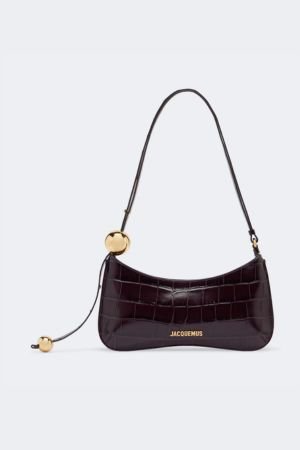
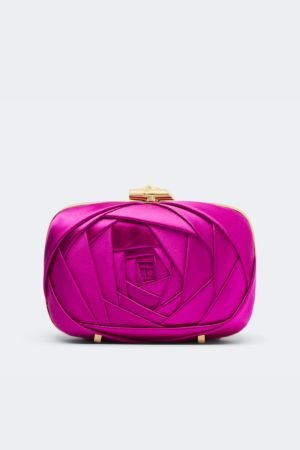
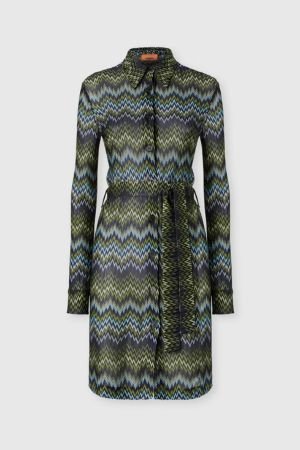
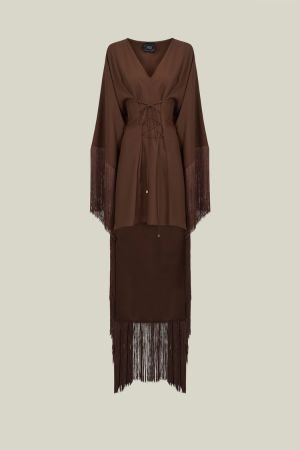
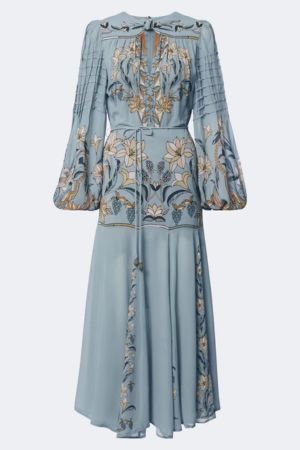
Branded designer dresses and clothing are sourced through HSS’s relationships with boutiques, authorized retailers, and the platform’s partner network that includes Luisaviaroma, Mytheresa, Net-a-Porter, Ounass, Flannels, Browns, and dozens of additional luxury retail partners. The personal styling aspect of this category reflects HSS’s approach as a complete wardrobe service rather than simply a transaction facilitator: clients work with HSS stylists from understanding their sizing and aesthetic preferences through to receiving the final piece.
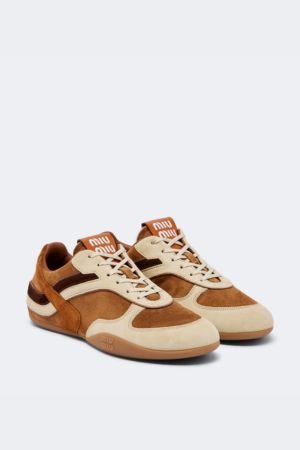
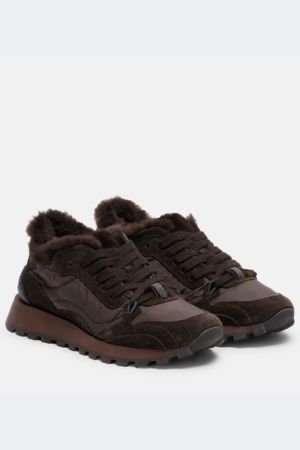
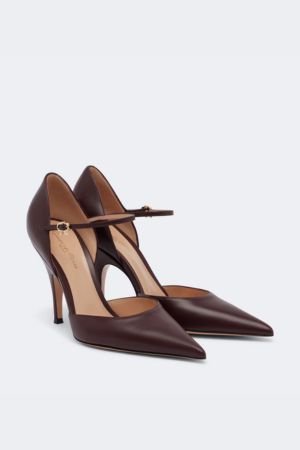
- Luxury shoes complete HSS’s core category offering, covering the footwear brands that sit alongside the bags and clothing in a considered luxury wardrobe. The sourcing approach for shoes mirrors the handbag model: specialist knowledge of which pieces are genuinely worth their price, which represent investment value, and which channels provide reliable access at fair market pricing.
How HSS Approaches Sourcing
The HSS sourcing model begins with a conversation about what the client needs. For a specific bag, this means understanding the exact style, size, colorway, and hardware configuration; whether new or pre-owned is acceptable; and what the client’s budget and timeline look like. That information allows HSS to identify which channels within its network are the most likely and most efficient route to the piece in question.
For pre-owned luxury pieces, HSS applies its authentication expertise before presenting any option to a client. This is not a cursory check: it is a category-specific evaluation that applies the authentication standards developed across thirteen years of specialist focus. A piece that does not meet HSS’s authentication standards is not presented, regardless of how attractive the price appears.
For new pieces that are sold out at retail, HSS’s boutique relationships and secondary market network provide access through channels that a buyer operating independently would not have. The pricing knowledge HSS brings to these transactions ensures that the client is paying a price that reflects current market value rather than speculative premium.
The HSS Service Beyond Sourcing
HSS’s service model extends beyond individual transactions into ongoing client relationships. The Nurture function of the HSS model includes curated wardrobe building, VIP room access, exclusive event invitations, and tailored travel wardrobes for clients whose fashion needs span multiple contexts and geographies. The Recycle function provides a structured exit for luxury pieces a client no longer needs, through HSS’s buy-back program that connects sellers with HSS’s qualified buyer network.
The Inform function produces the editorial content, including the pricing guides, trend analysis, and brand coverage on the HSS website, that keeps clients ahead of the luxury fashion conversation. This is the same content infrastructure that makes the HSS website a trusted reference point for luxury buyers globally, and it reflects the same investment in specialist knowledge that underpins the sourcing service.
2. Threads Styling
Threads Styling has built one of the most recognizable presences in the luxury personal shopping space through a WhatsApp and social media-first model that prioritized conversational, immediate interaction at a time when most luxury services were still operating through formal appointment systems and static websites. Founded in 2010, the service has accumulated significant brand awareness and a global client base, operating as a social commerce pioneer in the luxury fashion category.
The Threads model covers a wide range of luxury brands across ready-to-wear, accessories, and footwear, with a strong emphasis on in-season pieces and new collection drops rather than secondary market sourcing. Its strength lies in speed and accessibility: clients can engage through familiar social media channels, receive rapid responses, and access a broad brand portfolio through Threads’ retail partnerships.
The trade-off of Threads’ broad social-media-driven model is the same as with any generalist luxury service: the depth of specialist knowledge in any single category, particularly the authentication expertise and secondary market intelligence that luxury handbag investment requires, is harder to maintain when the service is covering the full range of luxury fashion across dozens of categories simultaneously. For buyers whose primary need is new-season ready-to-wear sourcing across mainstream luxury brands, Threads is a highly efficient service. For buyers whose primary need is specialist luxury handbag authentication and secondary market access, a specialist service provides more meaningful protection.
3. The Luxury Closet
The Luxury Closet is the Middle East’s leading luxury resale and sourcing platform, operating primarily in Dubai and serving a global buyer and seller base that is particularly concentrated across the UAE, GCC region, and international luxury buyers with Middle East connections. Founded in 2011, it has grown into one of the most significant secondary market platforms in the accessible-to-ultra-luxury range, with a particularly strong inventory in handbags, jewelry, and watches.
The platform’s strengths are in authenticated pre-owned luxury inventory, transparent pricing, and a regional market knowledge that is unmatched for buyers whose primary shopping context is the Middle East. Its authentication process is robust for the secondary market platform tier, and its inventory is genuinely broad across the major luxury houses.
The limitation of The Luxury Closet relative to a specialist sourcing service is that it operates as a marketplace rather than a bespoke sourcing service: the inventory consists of what sellers list rather than what a specialist sourcer can locate on a buyer’s behalf. For buyers who need a specific piece that is not currently listed, or who need boutique-sourcing access rather than secondary market access, a specialist service like HSS provides a different and more targeted kind of access.
Notably, The Luxury Closet is also an HSS partner platform, which means HSS clients can benefit from the relationship between the two services when relevant pieces are available through The Luxury Closet’s inventory alongside HSS’s own sourcing channels.
The HSS Advantage for Serious Luxury Buyers and Sellers
For buyers who approach luxury fashion as an investment category rather than purely a consumption choice, the distinction between HSS and a general luxury service or marketplace platform is not a question of convenience or price. It is a question of what level of market intelligence and specialist knowledge is behind the transaction.
HSS’s thirteen years of specialist focus have produced authentication expertise that covers the specific details that general services cannot reliably assess: the Hermès hardware finish standards by production year, the Celine interior construction variations across creative director eras, the Bottega Veneta Intrecciato weave standards that distinguish genuine pieces from the most sophisticated counterfeits. That expertise is not a generic capability; it has been built through sustained specialist focus, and it is not replicable by a service that also handles theater tickets and restaurant bookings.
For buyers sourcing popular designer bags from the secondary market, or building a portfolio of top-selling investment bags, the difference between specialist and generalist knowledge in the party executing the transaction is the difference between a well-protected investment and an exposed one.
FAQs
1. What is a luxury sourcing service and how does it differ from a standard luxury retailer?
A luxury retailer sells what is in its current stock at its listed prices. A luxury sourcing service locates specific pieces on a client’s behalf, accessing channels that extend beyond standard retail: secondary market networks, boutique allocation relationships, private seller contacts, and cross-regional pricing advantages. The sourcing service’s value is in finding pieces that are not publicly available and ensuring that the transaction is priced and authenticated correctly.
2. Why would I use HSS to source a luxury bag rather than buying directly from the brand boutique?
For pieces that are readily available at boutique retail, there is often no need for a sourcing service. The sourcing service becomes valuable when the piece is not available at retail: when it is sold out, allocation-dependent, available only in specific regional markets at advantageous prices, or only accessible through the secondary market. HSS’s network provides access to these channels alongside the authentication and pricing knowledge that protects the buyer in each of them.
3. How does HSS authenticate pre-owned luxury bags?
HSS applies category-specific authentication knowledge developed across thirteen years of specialist focus on luxury handbags. This includes hardware weight and finish evaluation specific to each brand and production period, leather quality assessment that accounts for how specific materials age, interior construction and serial number verification, and stitching consistency checks calibrated to each house’s production standards. A piece that does not pass HSS’s authentication standard is not presented to the client.
4. What is the difference between using HSS and using a secondary market platform like Vestiaire Collective?
A secondary market platform lists what sellers choose to list at prices sellers choose to set, with platform-level authentication that varies in depth. HSS actively sources specific pieces on a client’s behalf, applies specialist authentication expertise, and brings real-time pricing knowledge to ensure the client is paying a fair market price. The platform provides an inventory to browse; HSS provides a specialist who is working on the client’s behalf.
5. Can HSS help me sell a luxury bag as well as source one?
Yes. HSS’s buy-back and pre-loved service helps clients sell luxury pieces through the HSS network rather than through general resale platforms. The advantage for sellers is access to HSS’s qualified buyer base, specialist pricing knowledge that ensures the piece is valued correctly, and the authentication credentials that make the sale credible to serious buyers. For pieces where secondary market value is significant, working through a specialist service produces better outcomes than listing on a general platform.
6. Does HSS source only pre-owned luxury items or also new pieces?
HSS sources both new and pre-owned luxury items. For new pieces that are available at retail, HSS can source through its boutique and retailer partner network, which includes relationships with Luisaviaroma, Mytheresa, Net-a-Porter, Ounass, Browns, Flannels, and dozens of additional luxury retail partners. For pieces not available at retail, HSS uses its secondary market network and private seller relationships to locate the specific item.
7. How does regional pricing affect luxury sourcing and why does it matter?
Luxury brands price differently across markets, reflecting currency management, VAT structures, and regional positioning strategies. A Hermès bag purchased in Paris with a VAT refund can cost 15% to 25% less in effective US dollar terms than the same bag purchased at US retail. A sourcing service with global access can identify and exploit these regional pricing differences on a client’s behalf, producing meaningful savings on significant purchases.
8. Is HSS the right service for someone buying their first luxury bag?
HSS serves both first-time luxury buyers and established collectors. For a first-time buyer who wants guidance on which pieces represent the best value, which brands have strong secondary market performance, and how to navigate the luxury market intelligently, HSS’s specialist knowledge is particularly valuable. The guidance available through how to take care of your luxury bags and across the HSS content library reflects the same investment in educating clients that underpins the sourcing service.
9. What categories does HSS cover beyond luxury handbags?
Beyond luxury handbags, HSS sources branded designer dresses and ready-to-wear clothing, luxury footwear, and provides broader wardrobe building services that include occasion styling, travel wardrobe curation, and access to exclusive events. The three core categories of bags, clothing, and shoes represent the areas where HSS’s specialist depth is strongest, but the service’s broader fashion knowledge extends to the full range of luxury accessories and wardrobe decisions that its clients need support with.